
Wesley Primary School

Beyond bins: Expanding our view of sustainability after the floods
Wesley Primary School’s engagement in Mana Ora led to a multi-pronged flood resilience project. But it didn’t start out that way.
Under the wing of senior teacher Catherine Loney, a group of student “eco warriors” initially applied for Climate Action Funding for a waste minimisation project. They planned to purchase significant bin infrastructure for waste sorting and diversion, and to design a campaign to educate the school community about the different waste streams. However, once funding had been granted, the team realised that the focus on waste might be somewhat redundant.
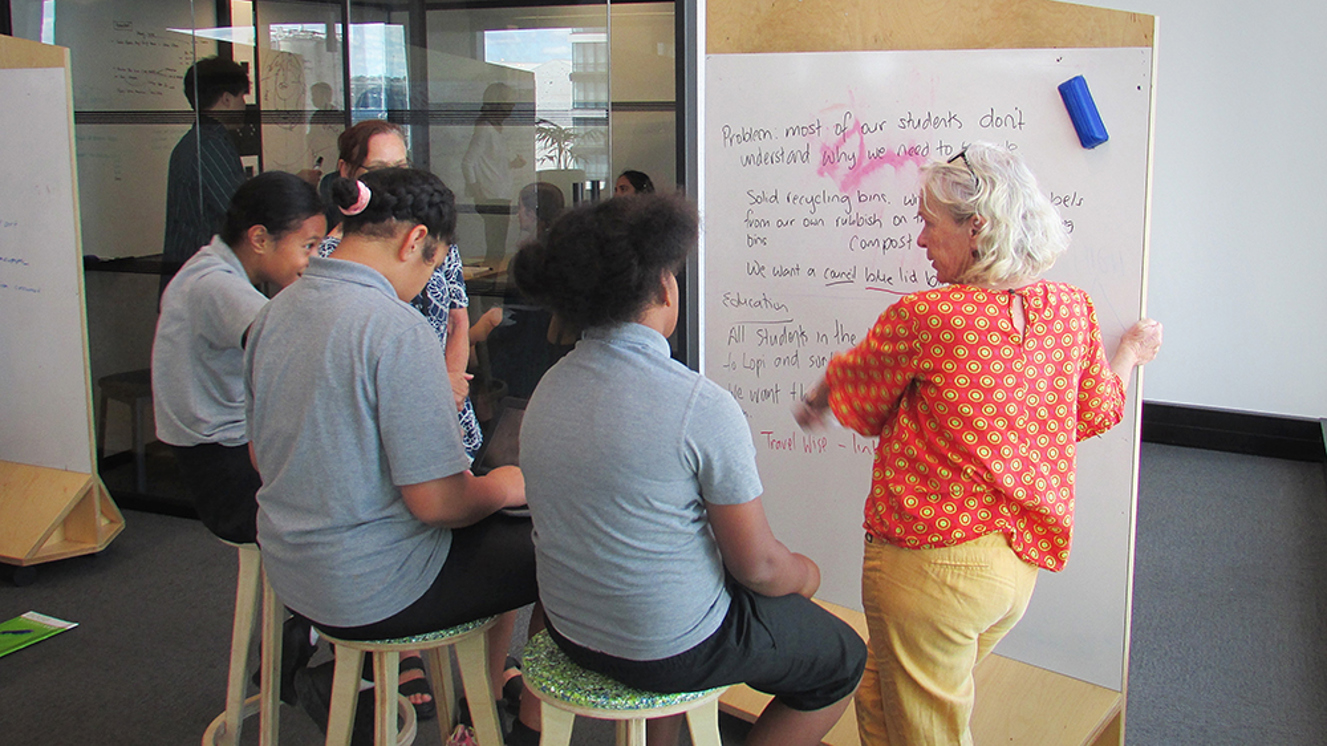
Since April 2023, Wesley Primary had been piloting a new approach to the Ka Ora, Ka Ako, Healthy Lunches Programme. Instead of having external providers supply the lunches, the school had been preparing these on-site and co-designing the menu with whānau to include foods children would be more receptive to eating. The roaring success of the initiative, which included using real crockery, meant that waste was noticeably decreasing – and therefore the waste bins were not required. As a result, the eco warriors decided that a soft plastics collection was the only waste-related change they wanted to implement.
“Everything that is left over is composted. Because of this significant reduction of our waste, we decided to change direction.” Wesley eco warriors
Deciding what to focus on involved some reflection. Sustainable Schools advisor Nicky Elmore suggested that the team ought to think broadly about what sustainability can mean in a school context, and what was most meaningful to their community.
The suburb of Wesley is bisected by Te Auaunga Oakley Creek, and the primary school is on the edge of O’Donnell Ave, a block away from the waterway. This proximity has meant two things; the students enjoy access to the awa through the bike paths and pump tracks that run alongside it, and the school is on the edge of a flood plain.
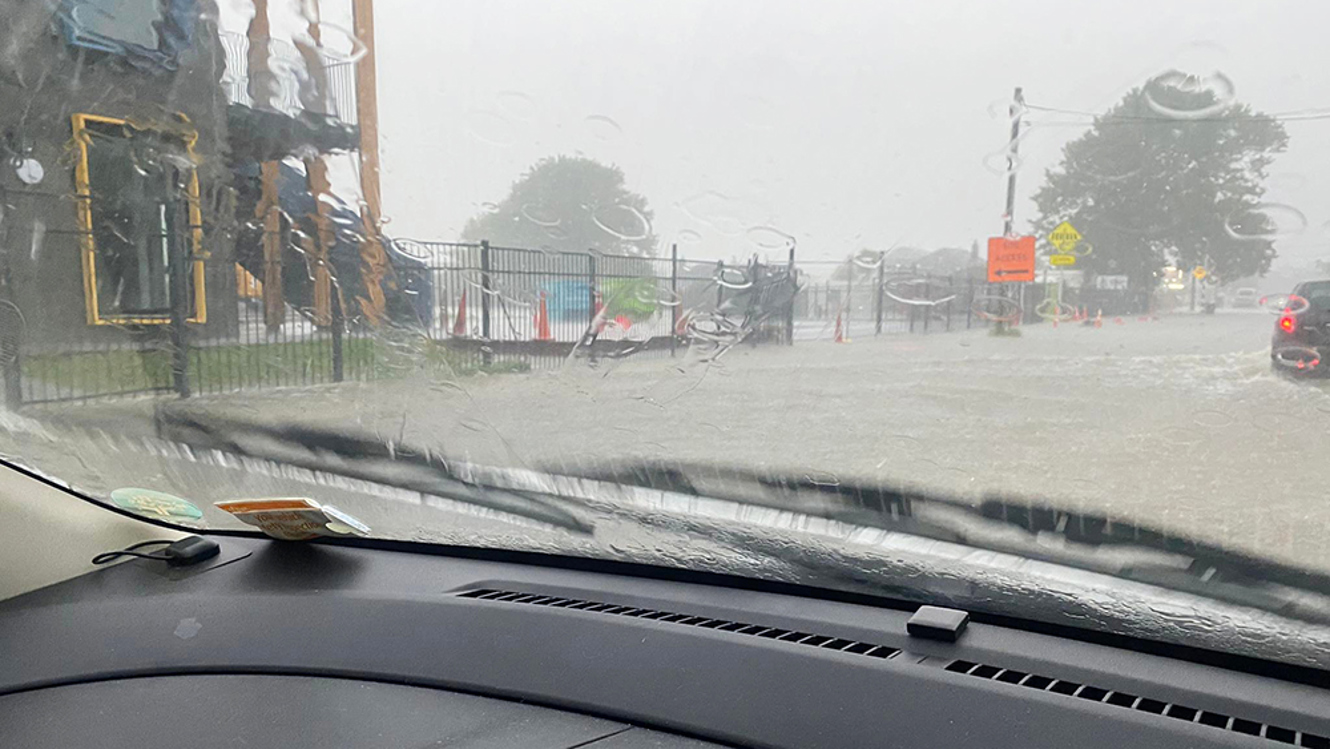
When the Auckland Anniversary weekend storm drenched the city, Te Auaunga burst its banks and O’Donnell Ave was severely flooded. Wesley’s Principal Lou Reddy opened the school hall as emergency accommodation for displaced families in the neighbourhood, and the school became a triage hub for weeks, helping people access healthcare, housing, and social support. The northern side of the school grounds was also flooded, disrupting a significant rebuild site.
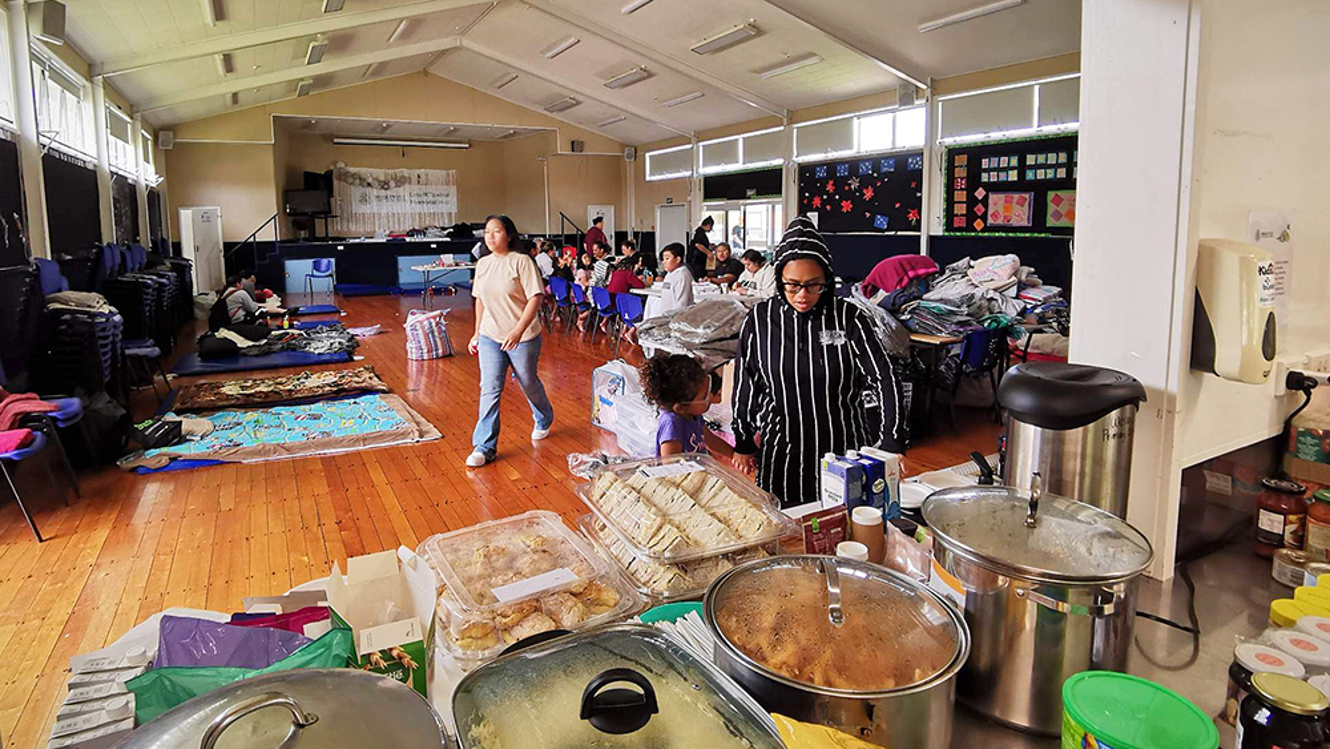
The floods, followed by Cyclone Gabrielle, helped connect the dots for the eco warriors between extreme weather events and climate change, and reoriented their purpose.
“Our aim is to get our students and whānau to understand the importance of doing as much as we can to reduce the carbon in the air to help with climate change.” Wesley eco warriors
Recognising the significant impact of transport choices on emissions, the team is working to promote cycling and walking alongside a sense of connection with Te Auaunga, the awa that sounded the alarm.
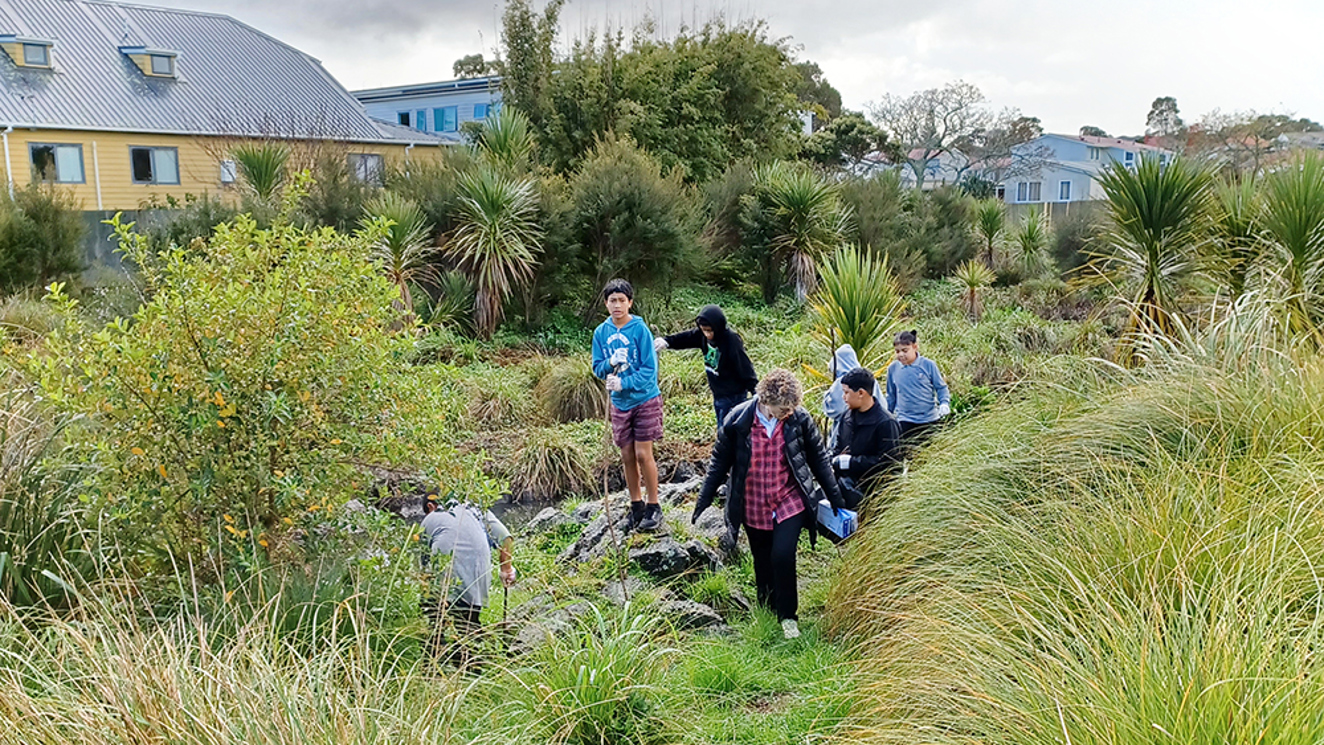
The new focus involves litter clean ups around the awa and a major project to rehome the school’s bike fleet to make it more accessible and inviting to students. Previously stranded on the rebuild site, the bikes will now be stored in a container near O’Donnell Ave.
The eco warriors also plan to create one or more murals that will be installed on the container and will communicate a clear message about the links between carbon emissions, climate change and travel modes. They will be learning from Onehunga Primary School’s Mana Ora mural project and seeking the assistance of art students from Mount Albert Grammar School.
“The extreme weather events of 2023 brought the impact of climate change into the students’ daily lives. Engaging in active transport is a very tangible and empowering decarbonising action students can take.” Nicky Elmore
Wesley Principal Lou Reddy is proud of the team’s mahi to date, and looking forward to the project’s next steps.
“Ngā mihi nui, Nicky, Cath and our eco warriors for collaborating together to protect Te Auaunga awa and empower our learners through the principles of kaitiakitanga.” Lou Reddy
Did you know? Cycling to school just once a week instead of driving can save around 106kg of carbon dioxide emissions over a year* Learn more.
*Assumes a 5km journey
You May Also Like

Opening new doors

Rānui and Henderson 2023 storm recovery

Travel choices driving Auckland's climate progress

25 years of CCET

Auckland's 2026 Zero Waste Awards Winners Announced
