Signs of spring

Auckland Climate Action

31 August 2026

Signs of spring image

Seasonal climate tips for Tāmaki Makaurau

Spring is the season for hope and joy. And of all the seasons, spring gives us fresh perspectives. As plants burst into flowers and the days start to stretch, it’s time to look more closely at the changes happening around us. The more we understand our climate, the better prepared we can be, and the better decisions we can make for the future. Here are some signs, stories and simple steps to help you and your community get climate ready this spring.
Spring Listicle 1 950X950 WEB (1)
1

Spot the signs of spring

One of the first tohu of spring in Tāmaki Makaurau is the when the puawānanga, or native clematis, blooms across the canopy with its white, star-shaped flowers. In mātauranga Māori, puawānanga is said to be the child of Puanga and Rehua, two stars you might have heard of during Matariki.

You can look for it at the Auckland Botanic Gardens, in a regional park like the Hunua or Waitakere Ranges. Or, for the adventurous, even on Tiritiri Matangi Island. You could even try and grow it yourself.

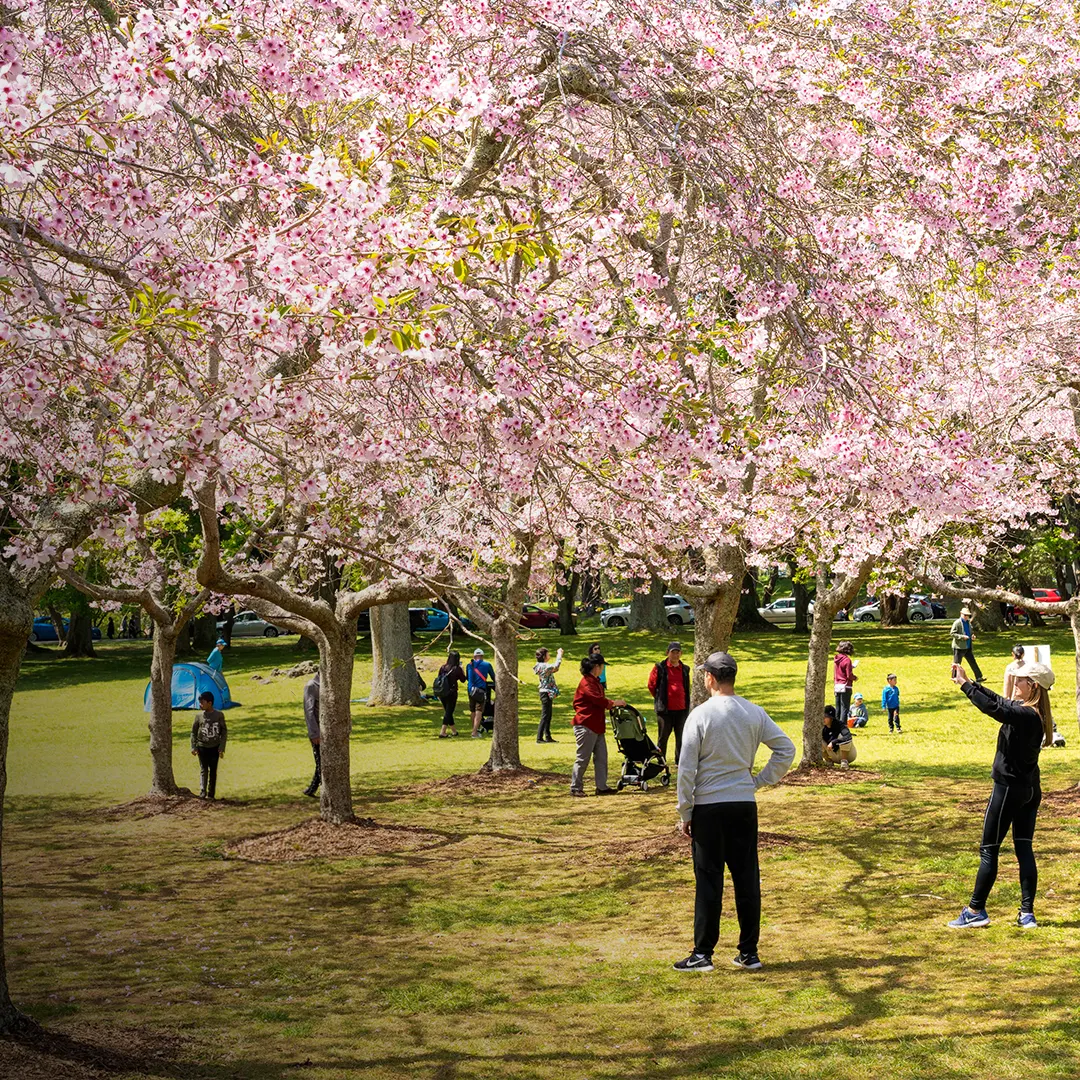
Spring flowers are a guaranteed pick-me-up, and a gentle reminder of our changing climate. Take cherry blossoms. In Kyoto, more than 1,200 years of written records show that blossoms are flowering earlier as spring temperatures rise. But, you don’t need to travel to Japan to enjoy. Closer to home, you can visit Cornwall Park on the slopes of Maungakiekie.

Spring Listicle 2 950X950 WEB
2

Set a new spring record

Longer days and warmer weather are the perfect excuse to shake off winter and get moving again. And together, Aucklanders and Auckland Council are changing the transport game.

This past winter, we set an all-time high record for public transport and bike use. If you haven’t already done so, spring is a perfect opportunity to jump on this trend and make the most of Auckland's growing network of climate, and budget-friendly, travel options:

Take advantage of our $50 weekly fare cap

Travel more for less with our $50 weekly fare cap across AT buses, trains and ferries.

Try out one of our new hybrid or fully electric ferries

Quieter, cleaner and better for the Gulf – our new ferries are part of a lower-emissions future.

Catch one of our 400+ electric buses

A smoother, cleaner ride and a big step towards a healthier Auckland.

Transport is responsible for nearly half of Auckland's emissions, so every time you hop on an electric pahi (bus), tereina (train) or waka tere (ferry), you're seriously helping to tip the balance.

Spring Listicle 3 950X950 WEB
3

Down by the boardwalk

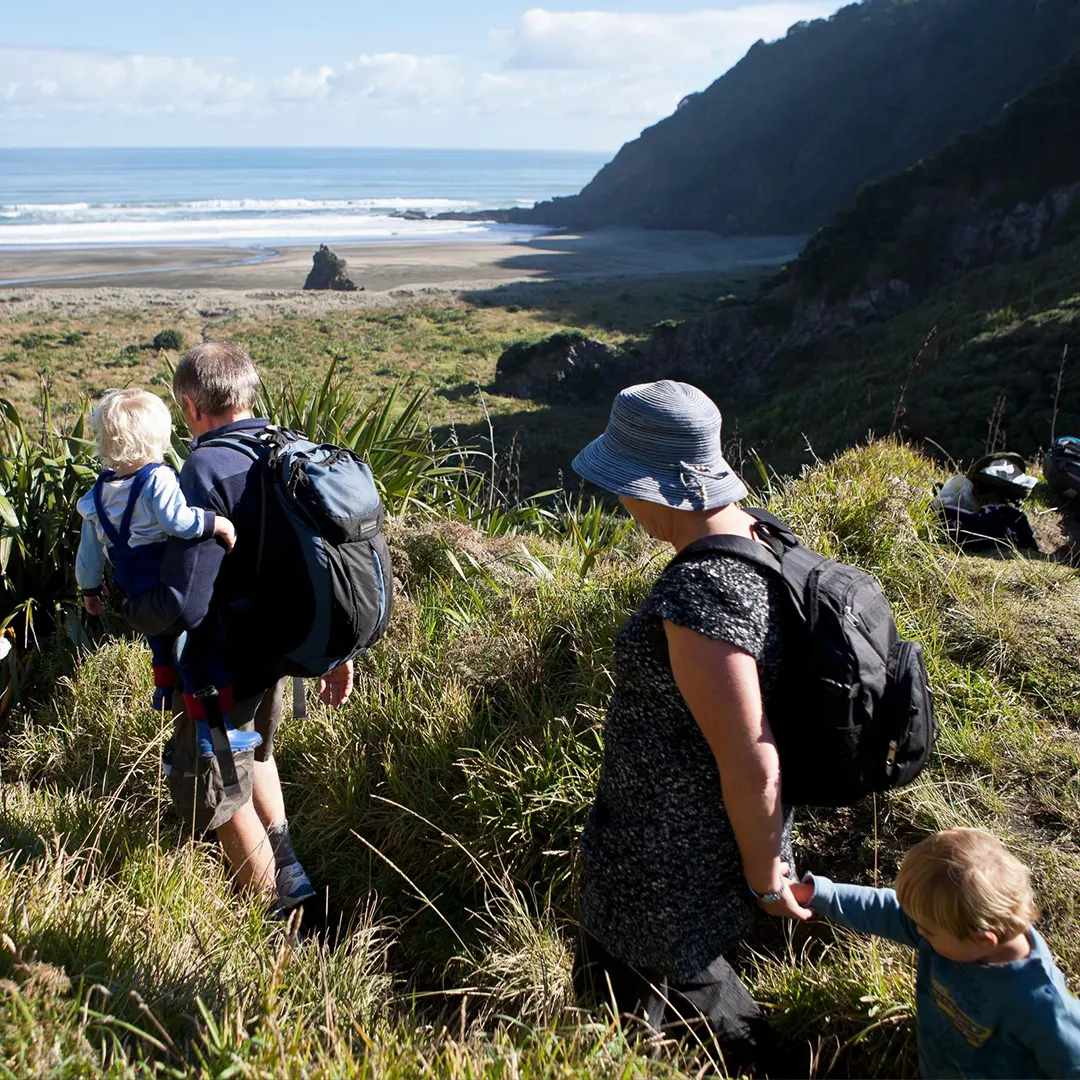
Not too hot, humid or cold, spring is a perfect time to hīkoi. Whether you’re in a walking or running group, out for a wander on your own or with the whānau, these boardwalk tracks are calling your name:

Hobsonville

In Hobsonville, Te Ara Manawa, “the pathway amongst the mangroves”.

Muriwai

At Muriwai Regional Park: Ōtakamiro Point, home to a very busy gannet colony in spring.

Just two of the many coastal pathways Aucklanders enjoy, they’re also a great way to see how nature helps protect our coast. Mangroves, sand dunes, coastal and sea grasses, estuaries can help “buffer” the coast (and us) from big storms and sea-level rise.

Spring Listicle 4 950X950 WEB
4

Dig deep for coastal resilience

Our coasts are iconic places for a spring picnic, but they also do important work. Healthy coastal ecosystems help reduce erosion and provide habitats for the plants, birds and reptiles that live between the land and sea.

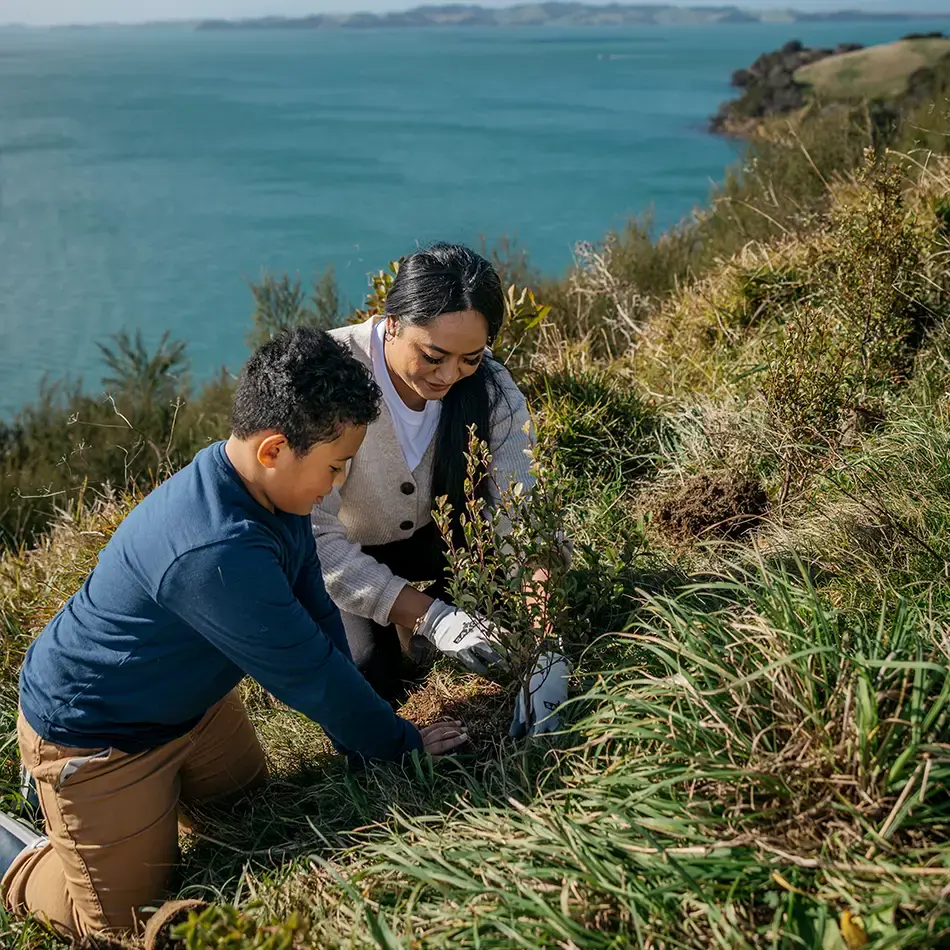
Kōanga is the ingoa Māori for spring. It includes the word “kō”, a digging tool. So, what better time to get your hands in the soil, or the sand?

If there’s a beach or mudflat you love, spending a few hours helping restore it can make a real difference. Native grasses, like pīngao, have strong root networks that hold sand in place, helping dunes stand up to wind, waves and storms.

Our coast needs help so it can keep protecting us. Find a local restoration or volunteering opportunity through Tiaki Tāmaki Makaurau or visit the Coastal Restoration Trust to learn more about caring for our coast.

Spring Listicle 5 950X950 WEB
5

Spring tides = big tides

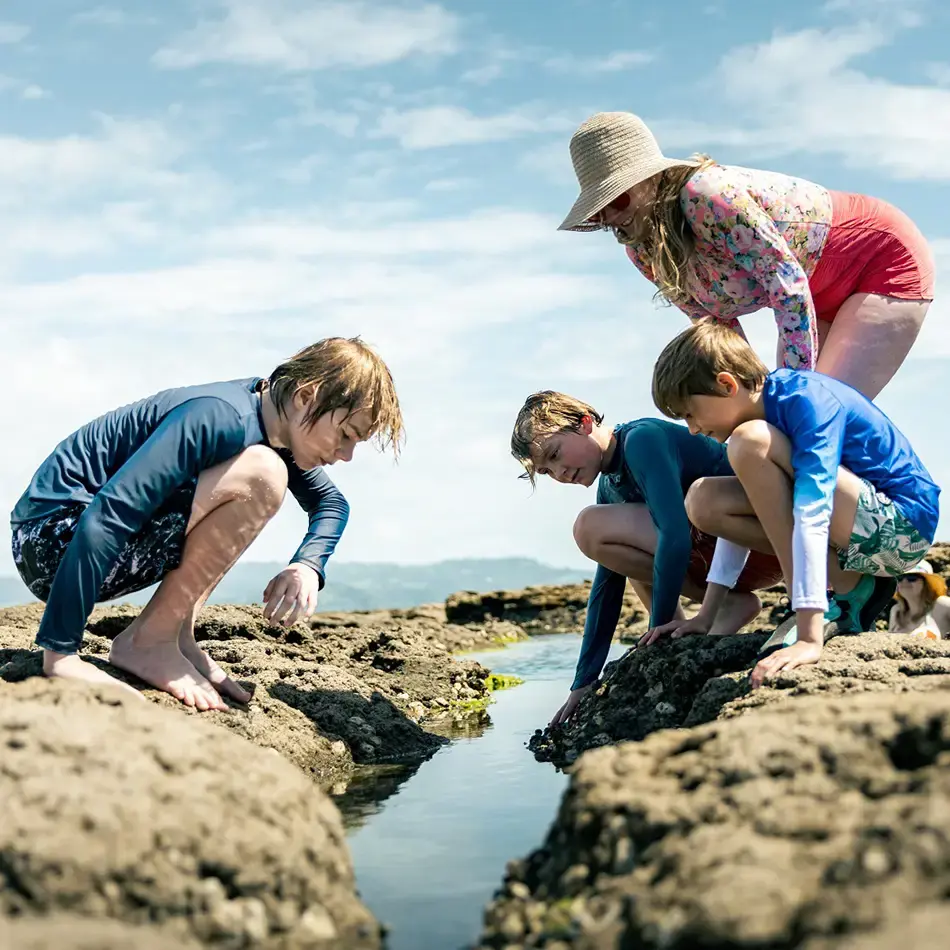
Despite the name, spring tides don’t just happen in spring. They happen twice a month, around every new and full moon, when tides are higher than usual. Visiting your favourite bit of coastline at high tide can give you a sense of what our coast might look in the future.

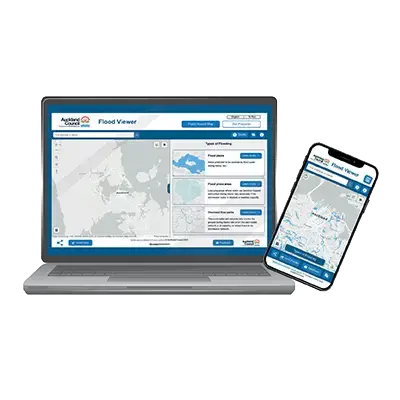
Flood Viewer

You can also check Auckland Council's Flood Viewer. Turn on the coastal inundation map layer to see how far inland the sea could reach with one metre of sea level rise and a major coastal storm.

For those of us whose happy place is on, in or near the moana, it's natural to wonder what sea-level rise could mean for our connection to the coasts we love. The more we understand our changing coastline, the better we'll be able to protect it for years to come.

Spring Listicle 6 950X950 WEB
6

Love the coast? Plan to enjoy it

Fishing, sailing, waka ama, coastal walks and days at the beach are a big part of life in Tāmaki Makaurau. Many of these activities rely on boardwalks, boat ramps, jetties, carparks and coastal tracks. We also have a lot of important infrastructure close to the coast, like local roads or water treatment plants.

As sea levels rise, some of these places will need to change too. Across the region, our Shoreline Adaptation Plans look at how rising seas could affect community-owned infrastructure. Depending on the place, that could mean protecting something, changing how it is designed or used, or moving it away from the coast in the future.

Your local plan, whether it's Manukau Harbour East, Whangaparāoa or another stretch of coast, is a great way to understand how the coast is changing, what's being planned, and how you, and your uri, can keep doing what you love.

Spring Listicle 7 950X950 WEB
7

Use spring to get summer ready

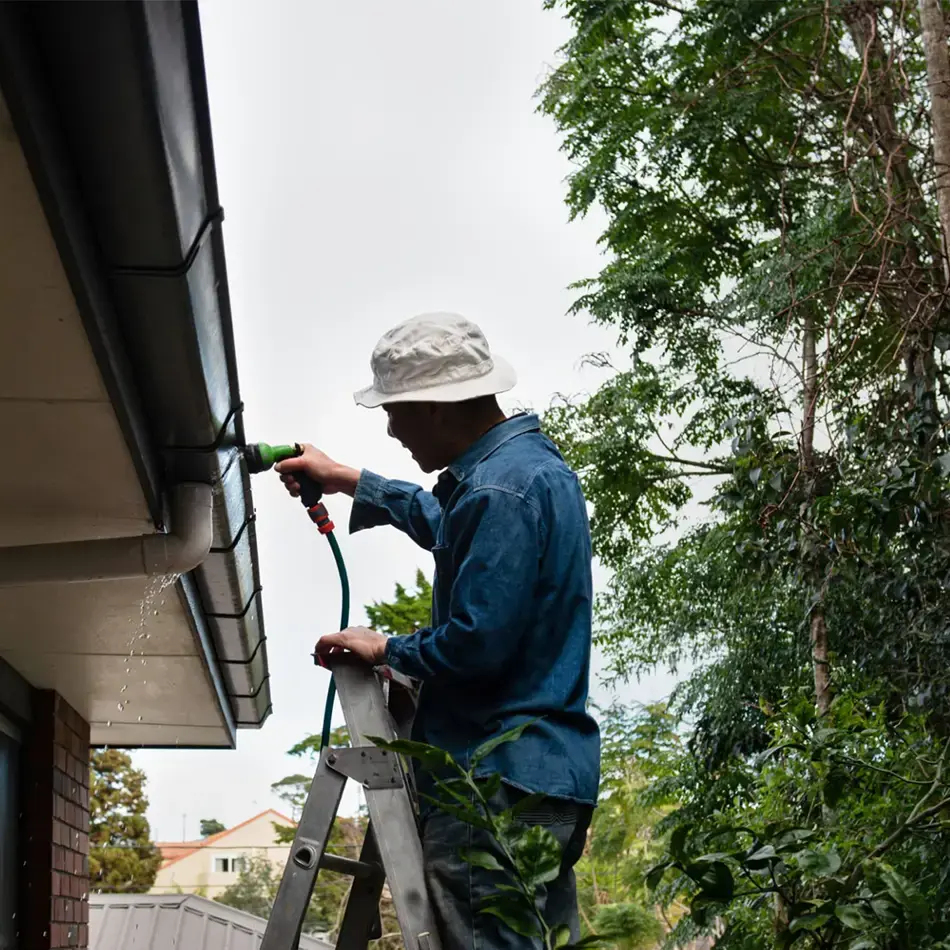
The weather doesn’t always stick to the script, so spring is a good time to get prepared for the months ahead.

A Super El Niño has been declared and is expected to influence our weather into 2027. That can mean more wind and longer periods of dry weather. Now is a good time to tackle a few jobs around the home, especially if you live in a rural area or on a rural property:

01

Top up rainwater tanks, check pumps and hoses, and fix any leaks.

02

Secure loose roofing, sheds and outdoor equipment before strong winds arrive.

03

Clear long grass, fallen branches and other dry vegetation from around your home to help reduce wildfire risk.

A few jobs now can make things easier if the months ahead turn dry. Keep an eye on Auckland Emergency Management for updates and advice on drought, wildfire and other hazards.

Spring Listicle 8 950X950 WEB
8

Spring into solar

The days are getting longer and lighter, thank the atua! And more light means more free energy from the sun!

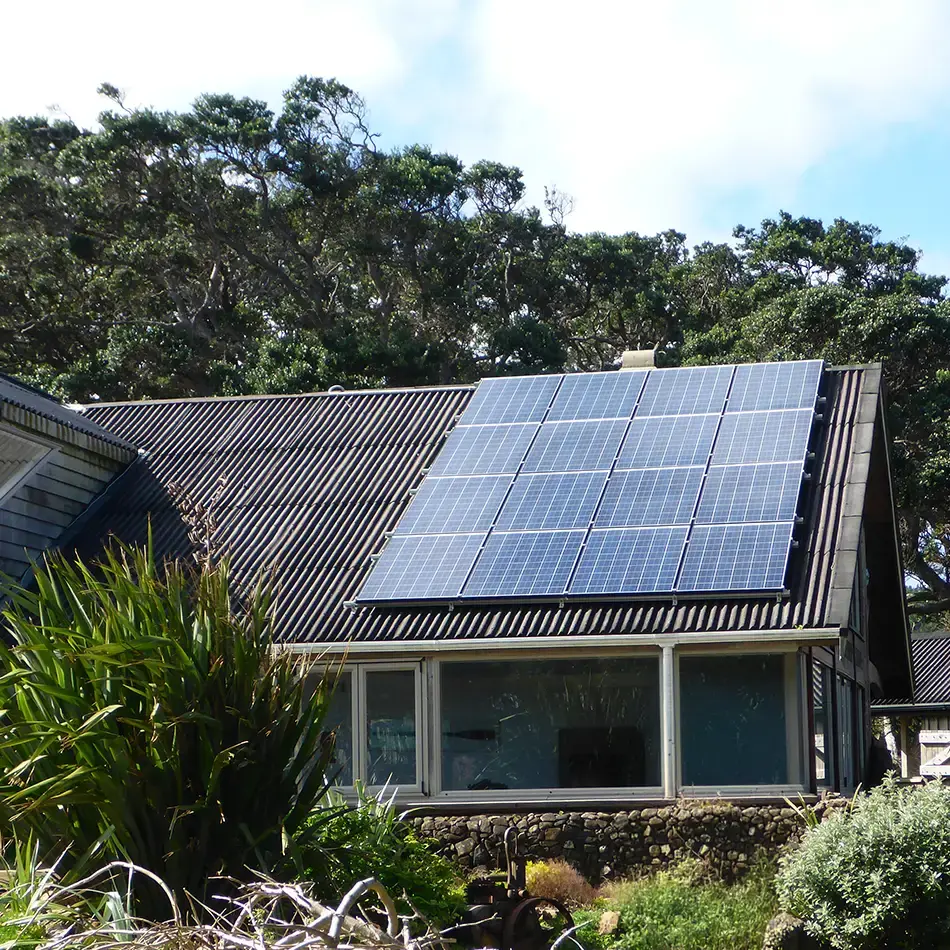
Spring is the perfect season for Aucklanders to explore solar power options – whether at home, school, church, the marae or your workplace. From traditional rooftop panel, battery systems to plug-in solar setups for renters or apartment dwellers, there are more solar energy options than ever before.

Get on to it now and you can make the most of the sunny months ahead, while slashing your energy bill and increasing your energy independence and resilience.

Auckland Council solar

Auckland Council is also installing solar across some of its facilities. Go Media Stadium has 1,651 solar panels, helping power everything from sporting events to concerts.

Spring Listicle 9 950X950 WEB
9

Spring fling with creativity

Spring can be a good time to look at familiar places with fresh eyes.

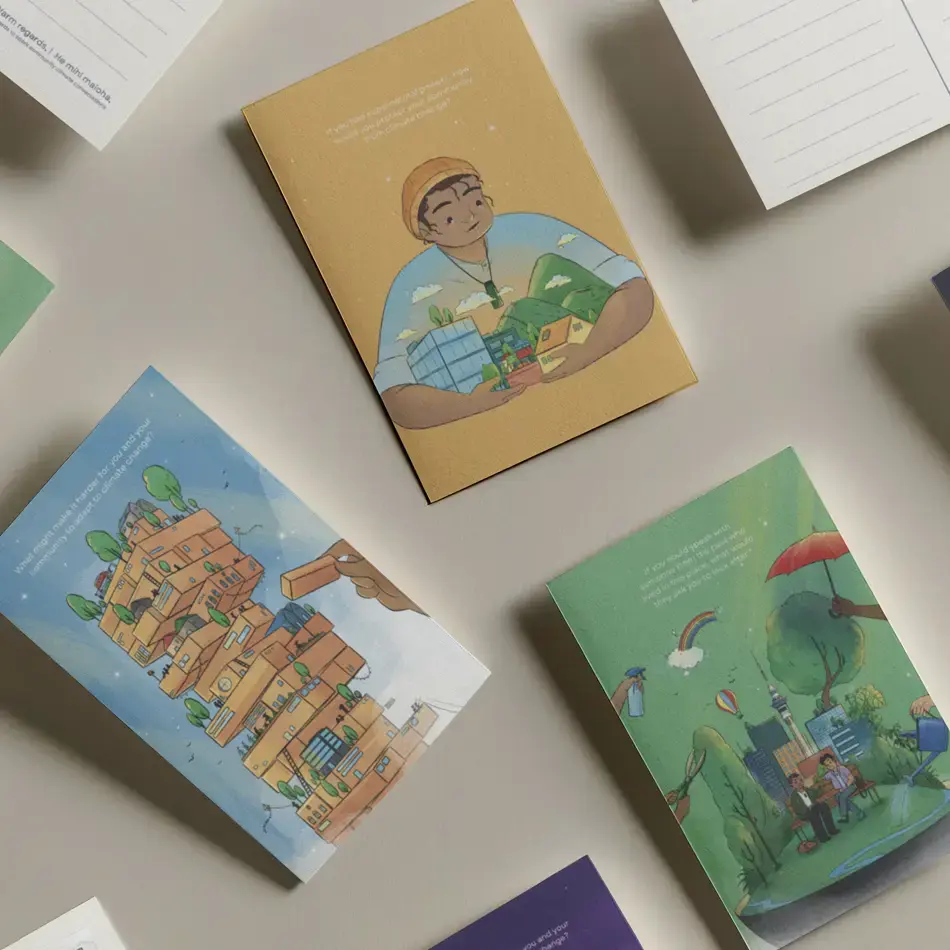
Auckland Climate Action's illustrated climate conversation postcards use seven imaginative questions to help people think about how their community could response to climate change.

There are no right or wrong answers, and you don’t need to be an expert. Jot down a memory or dream, sketch a picture, compose a waiata, or simply talk it through with friends, whānau or neighbours.

The postcards are available in English and te reo Māori, with a Hindi version coming soon. However you express yourself, every conversation helps build an understanding of shared values and spark new ideas. This spring, let your creativity bloom, and see where seven questions can take you.

You May Also Like

Travel choices driving Auckland's climate progress preview image
Transport & Travel

Travel choices driving Auckland's climate progress

Auckland's Climate Action Progress Snapshot shows real momentum in low-carbon transport — over 400 electric buses, a fully electric rail network, and the City Rail Link opening on 13 September.
25 years of CCET preview image
Community-Led Action

25 years of CCET

A free bike repair container in Maungawhau is the newest chapter in a 25-year story of Auckland's Chinese communities taking climate action into their own hands.
Auckland's 2026 Zero Waste Awards Winners Announced preview image
Impact in Action

Auckland's 2026 Zero Waste Awards Winners Announced

Auckland's 2026 Zero Waste Awards celebrated the people, groups and businesses turning waste into something useful — from rescued cultural treasures to repurposed concrete.
Our Urban Ngāhere preview image
Urban Ngāhere
Urban Ngāhere 6 Aug 2026

Our Urban Ngāhere

In the spring of 2025, we invited South Auckland photographer Anna Delany to document the Urban Ngāhere, particularly in the streets close to and bordering Ambury Park...
Pedal to the people preview image
Community-Led Action

Pedal to the people

Meet Bike Pukekohe — the volunteer-led group helping local whānau build confidence, fix punctures, and discover cycling as an everyday way to get around.
Growing food and connection in Massey preview image
Kai Resilience
Kai Resilience 23 Jul 2026

Growing food and connection in Massey

Triangle Park’s community food forest in Massey is doubling in size, growing more kai, shade and community connections while building local climate resilience.

JOIN OUR NEWSLETTER

Join our newsletter to receive the latest climate action and community news.

This website requires cookies to provide all of its features.

For more information on what data is contained in the cookies, please click the 'Read More' button. To accept cookies from this site, please click the 'I Agree' button.

Read More