Tirohia te kohinga kārpōhi
Me panuku i ā mātou kāripōhi i raro nei e mārama ai ngā momo ata, ngā pātai hoki e tuwhera ana ā-tikanga, ā-ngākau hoki, e pai ana pea hei hōpara mā koutou ko tō hapori.
He aha tāu e kaingākau katoa nā i tō horanuku, i tō pae kiritata rānei?
Mēnā kua taea e koe te kōrero ki tētahi i noho rā ki tēnei wāhi i mua, he aha ngā mea ka kōrerotia e ia hei tiaki māu?
Ki tō pohewa, kia pēhea te āhua o tēnei horanuku, o tēnei pae kiritata rānei, e ea ai ngā hiahia o ō mokopuna, o ā rātou mokopuna rānei?
Mēnā kua whai ngari atua koe, ka pēhea tō tiaki i tō hapori i te āhuarangi hurihuri?
Mēnā kua whai ngari atua koe, he aha te momo wāhi (te pae kiritata rānei, te hapori rānei) ka hangaia e koe ki konei?
He aha ngā mea e māmā ake ai tā koutou ko tō hapori urutau ki te āhuarangi hurihuri?
He aha ngā mea e uaua ake ai tā koutou ko tō hapori urutau ki te āhuarangi hurihuri?
Postcard 1 of 7
Me pēhea te whakamahi i ēnei kāripōhi
He whakaaro mō te whakamahi:
- Ka whakamahi pea koe i ngā kāripōhi mā te tuku haere ki ngā kiritata, ki te whānau, ki ētahi rānei o tō hapori.
- Ka āhei tō pōwhiri i ētahi kia tukua he pātai, kia tuhia ō rātou whakaaro, ka “pōhi” ai i ā rātou kāri ki tētahi kete whakaemi.
- Mā te kohikohi i ngā urupare e āwhina pea tō kite i ngā tauira, i ngā uara me ngā tūmanako ka puea ake i tō hapori.
- Ka rite te whaihua o ēnei kāripōhi i te ao mariko ki tō ērā i te ao motuhenga, ā, kua whakaurua hoki he kōnae hei tā mehemea e hiahia ana koe ki te tā i āu ake, ka waiho ai ki ngā tēpu mahi, ki ngā papa pānui rānei, ki ētahi mokowā ngātahi rānei.
Ngā kōrerorero me te hoahoa:
- Ka āhei te whakamahinga o ngā kāripōhi e ngā kaikōkiri me ngā kaiwhakahaere i te hapori hei āwhina i ngā whakawhitinga kōrero ā-rōpū.
- Ko tā ia whāngai kupu he āwhina kia huraina ngā take nui katoa ki te tangata – ōna uara, ōna matawhānui, ōna matea, ōna aha atu rānei kāore nei rātou e hiahia kia kawea ā haere ake nei.
- He whakawhitinga kōrero matua ēnei mō te urutaunga ā-āhuarangi e whai pakiaka ana ki te ao motuhenga, e arahina ana hoki e te marea.
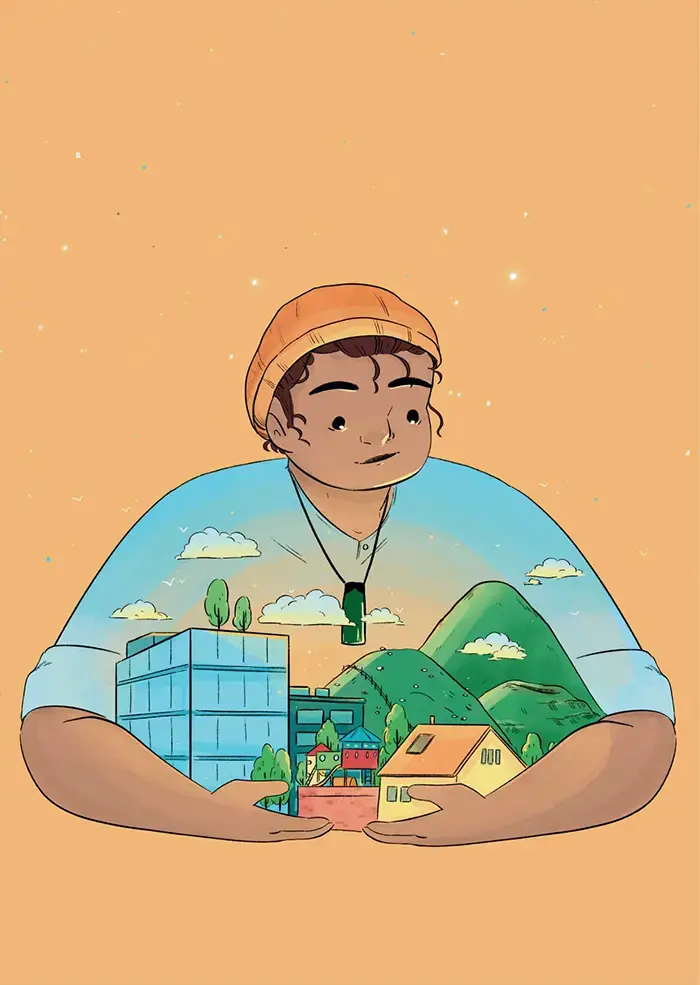
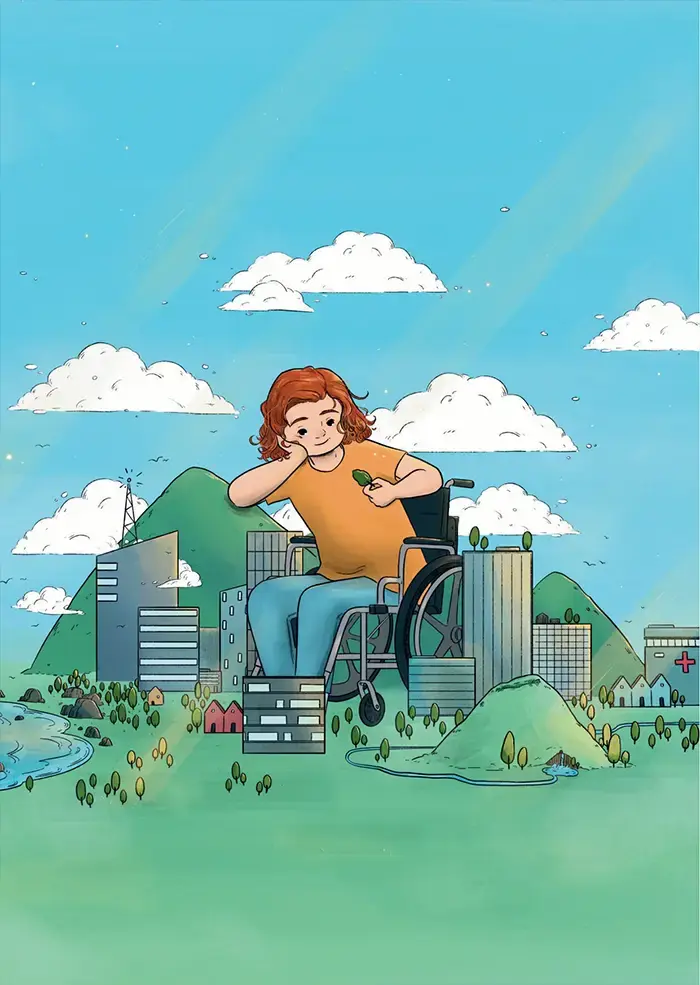
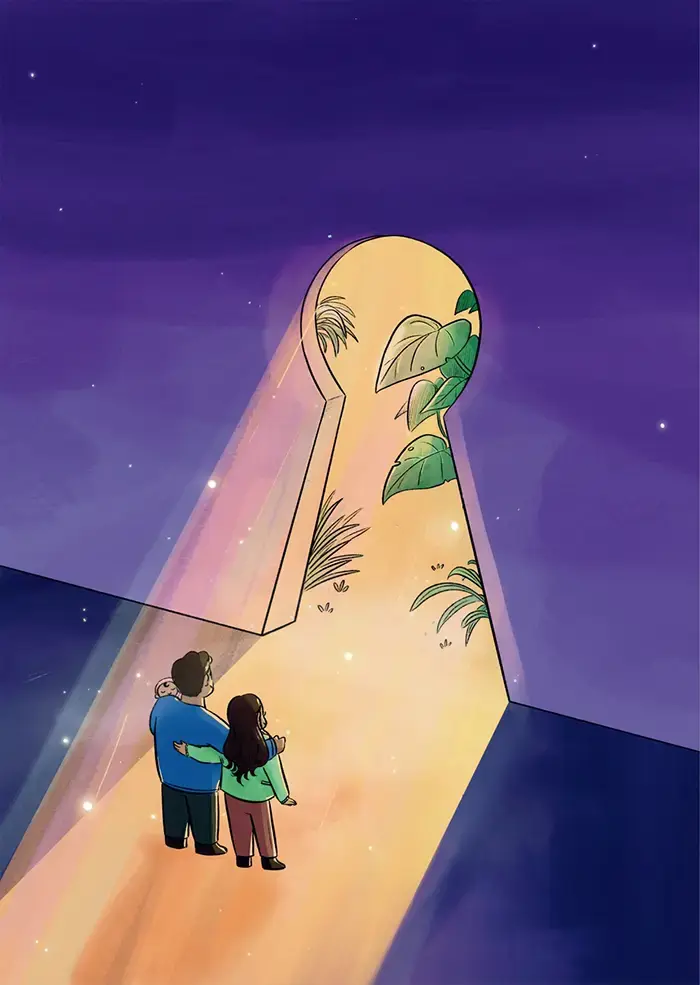
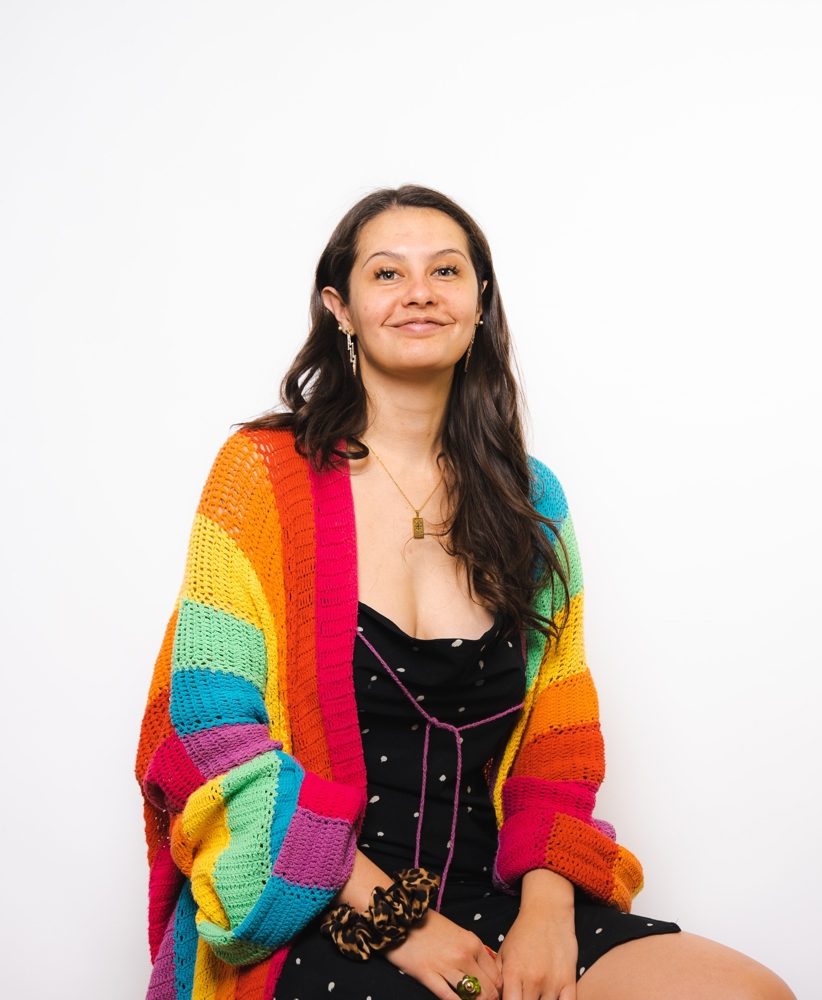
- He mea whakatauira te punipuni nā te ringatoi rongonui, nā Story Hēmi-Morehouse, e whakaara nei i ōna mahara ki tōna tamarikitanga, ki tōna rangatahitanga hoki i Tāmaki Makaurau e oti mai ai he ata e āwhiti ana, e ohaoha ana, e āta noho hapa ana hoki.

- He kānawehi wātea ngā kāri – he kāpeka kāore nei e āki ana i ōu whakaaro, engari e pōwhiri ana i a koe kia hou atu, kia pohewa, ka tīmata ai te moemoeā ngātahi.
‘Nei rā te mihi maioha.
View the postcard gallery
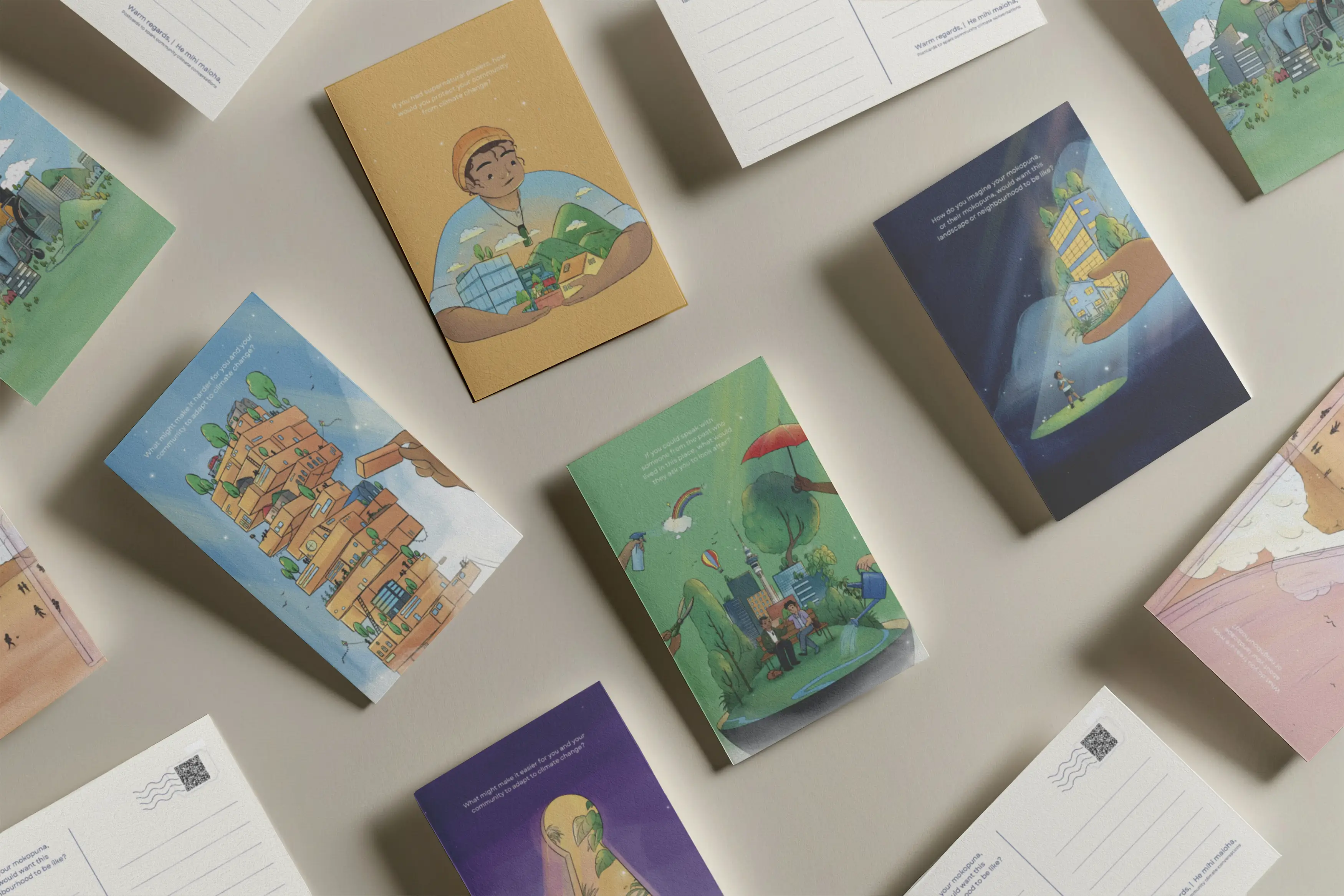
Scroll through our postcards below to understand the kinds of imagery and open-ended, open-hearted questions you might like to explore with your community.
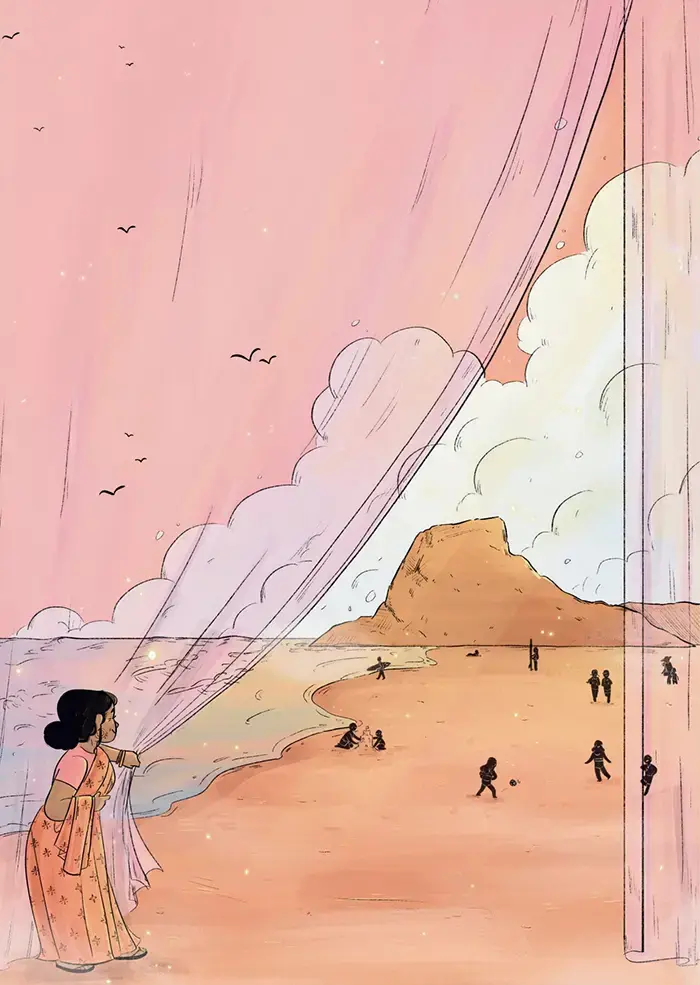
What do you treasure most about your landscape or neighbourhood?
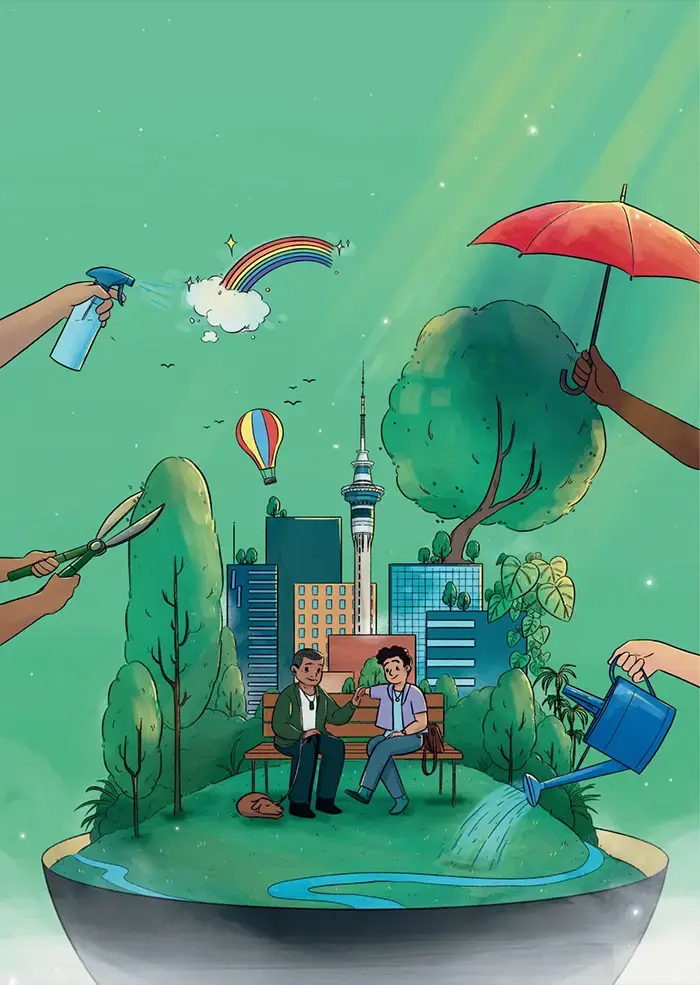
If you could speak with someone from the past who lived in this place, what would they ask you to look after?
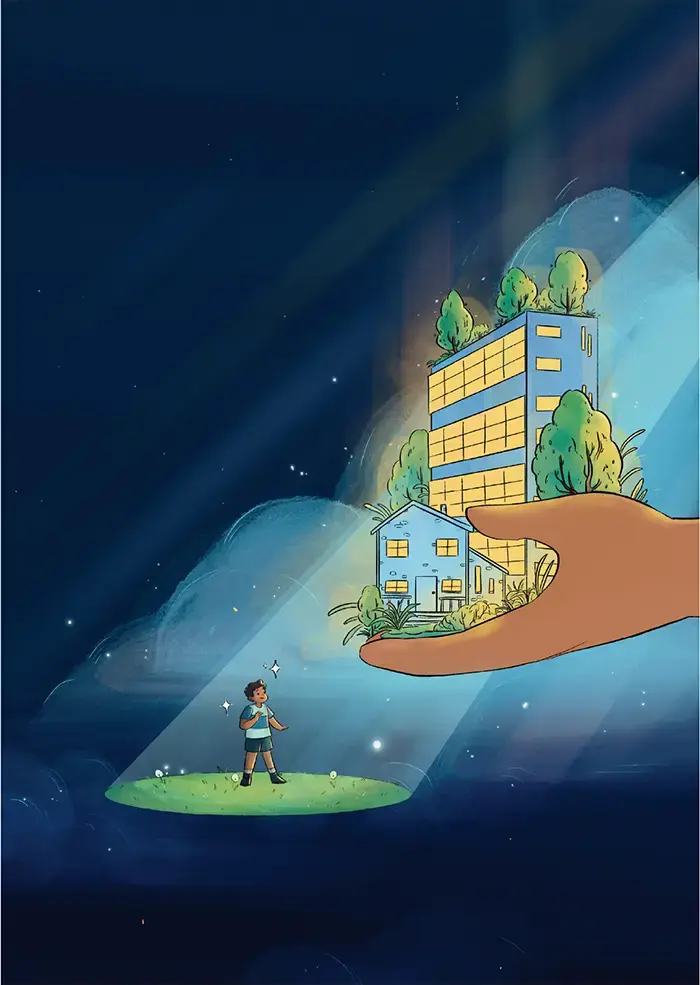
How do you imagine your mokopuna, or their mokopuna, would want this landscape or neighbourhood to be like?
If you had supernatural powers, how would you protect your community from climate change?
If you had supernatural powers, what kind of place (or neighbourhood or community) would you create here?
What might make it easier for you and your community to adapt to climate change?
What might make it harder for you and your community to adapt to climate change?
Postcard 1 of 7
How to use these postcards
Ideas for sharing in your community:
- You might use the postcards by sharing them out among neighbours, whānau or with your community members.
- You could invite people to sit with a question, jot down their thoughts, and "post" their cards back in a collective kete.
- Gathering responses might help you notice the patterns, values and hopes of your community that surface.
- These postcards work just as well virtually or in real life, and we’ve included print-ready files if you’d like to print your own and place them on work tables, noticeboards or in shared space.
Facilitation and open-ended design:
- The postcards can be used by facilitators and community organisers to support group conversations.
- Each prompt helps uncover what matters most to people – their values, visions, needs and things they don’t want to carry forward.
- These conversations are critical for grounded, people-led climate adaptation.
- The series is illustrated by renowned artist Story Hēmi-Morehouse, who draws on her childhood and rangatahitanga in Tāmaki Makaurau to create images that are wistful, generous and intentionally unfinished.
- The cards are open canvases – scenes that don’t tell you what to think, but gently invite you to step in, imagine and begin to dream together.
He mihi maioha, warm regards, truly.