
From healing to hope: Rodney's Kiribati community comes together

For many members of Rodney's Kiribati community, climate change is something they've known about all their lives.
Many have witnessed the impacts of rising seas and changing weather patterns on their home islands. But while climate change felt real in Kiribati, there was less understanding of what climate change, natural hazards and adaptation might mean for everyday life here in Aotearoa.
Following the tragic loss of a community member in Warkworth earlier this year, families began having important conversations about preparedness, resilience and how the community could better support one another during emergencies.
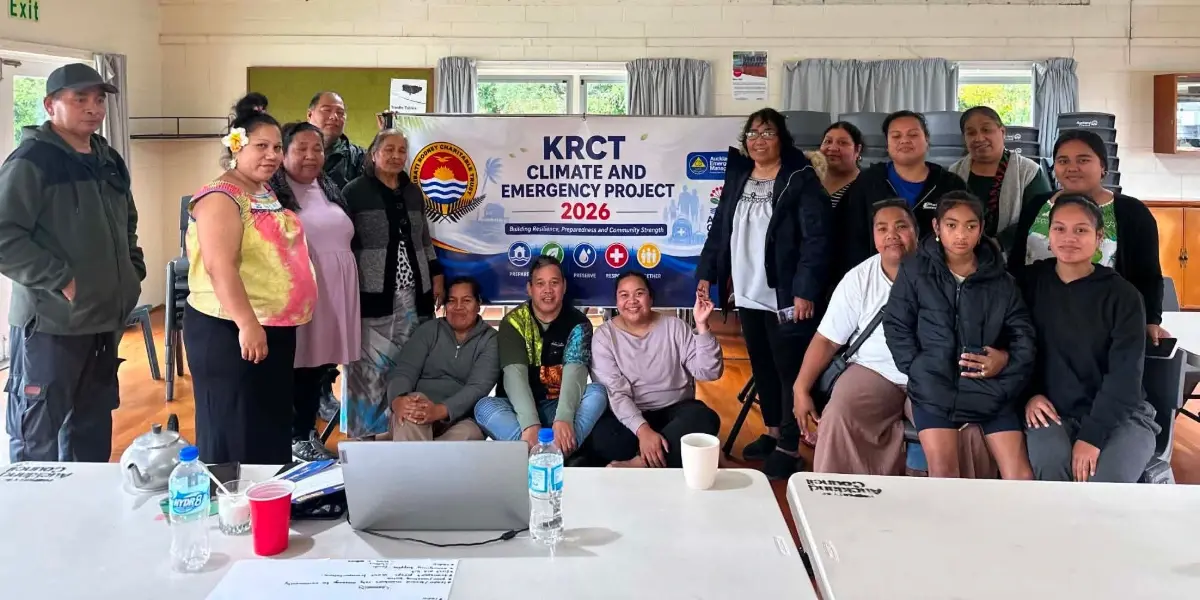
"It made people stop and think," says Teinabo Boata from the Kiribati Rodney Charitable Trust.
"We know about climate change from our islands, but we hadn't really thought about what climate impacts and emergencies might mean for us here."
Supported through Auckland Council’s Te Ara Urutau - Climate and Emergency Ready Fund, the trust has been bringing families together to learn about climate impacts, emergency preparedness and practical ways to build resilience here in New Zealand.
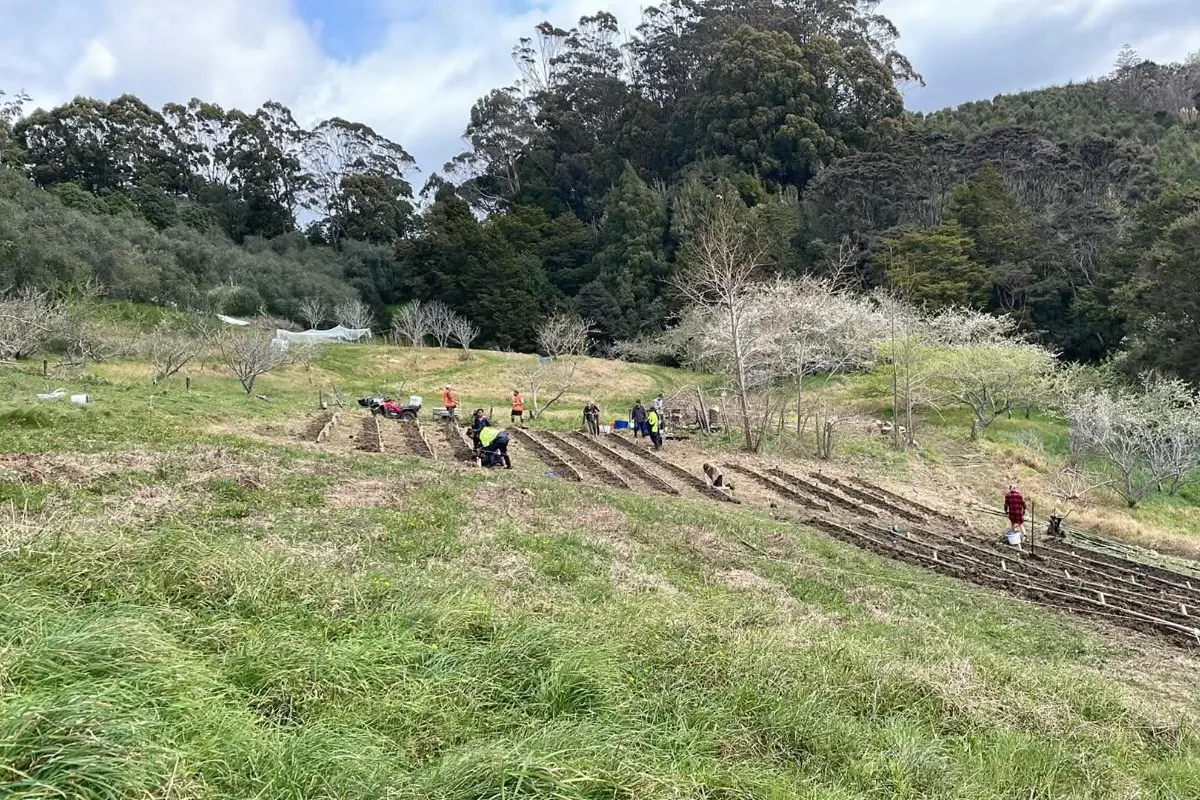
The funding has enabled the community to begin turning awareness into action through workshops, community events, environmental projects and climate adaptation activities that connect with people's everyday lives.
For Teinabo, the project has become about much more than sharing information.
"It's helping people understand that climate change is not only happening back home. It's happening here too, and there are things we can do to prepare."
The project has also become part of the community's healing journey, creating opportunities for people to come together, share experiences and build confidence for the future.
Young people leading the conversation
One of the biggest surprises has been the role of the community's youth. Traditional workshops struggled to attract young people, but things changed when they were given the opportunity to lead.
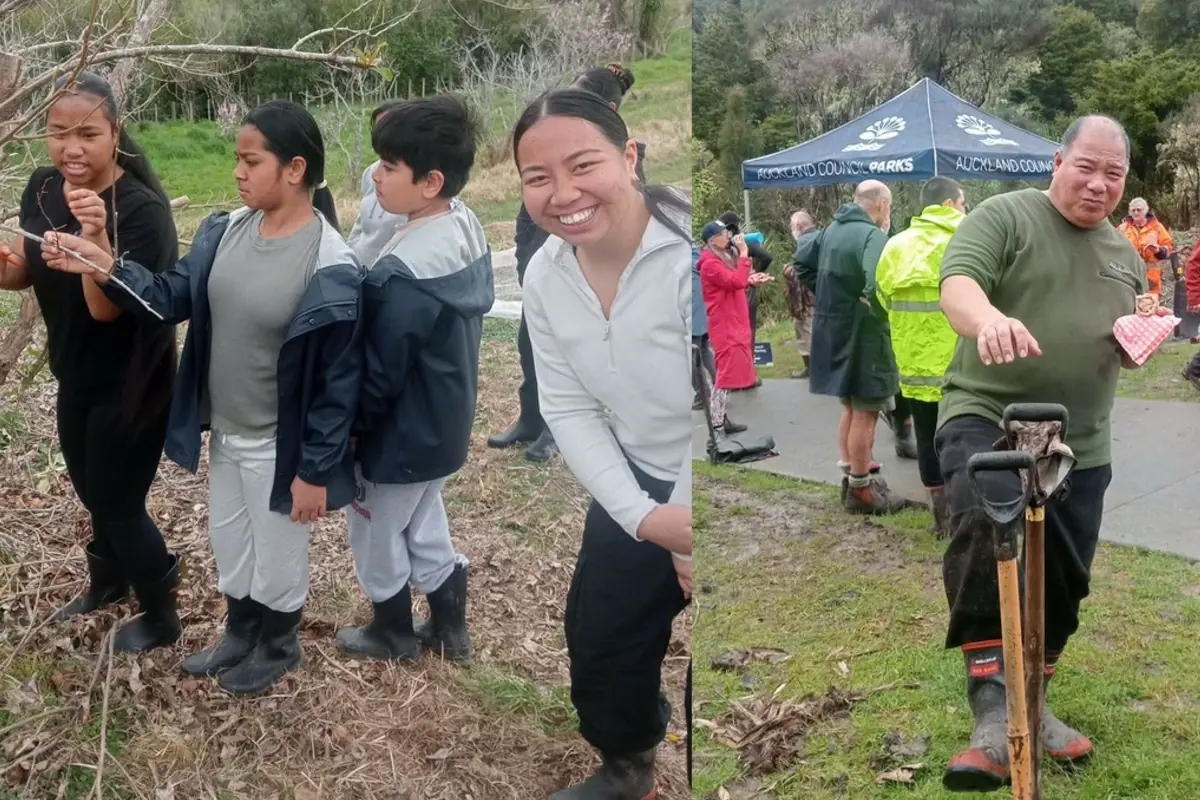
At a recent outdoor event at Snells Beach, youth designed and ran a series of climate and emergency themed activities for younger children. One challenge involved responding to a mock tsunami warning by creating an evacuation plan and leading participants to safety.
The young people planned the event themselves, organised the activities and helped guide younger participants through the exercises.
What emerged was a powerful example of intergenerational learning. Young people were not only building their own understanding of climate risks, but helping others understand them too, including parents and elders.
"They didn't want to sit in meetings, but when they could learn by doing and create something themselves, they really stepped up," says Teinabo.
Alongside emergency preparedness activities, community members have also taken part in native planting projects, community food-growing initiatives and cultural activities, while building new relationships with local organisations and North Kaipara hapū Te Uri o Hau.
Supporting community-led adaptation
Auckland Council's Chief Sustainability Officer, Kat Maki, says the project highlights the importance of communities leading their own adaptation journeys.
"What's inspiring about this project is seeing a community draw on its lived experience of climate change and turn it into action here in Aotearoa. It's people coming together to learn, lead and prepare for the future."
What began in the wake of loss has grown into something hopeful: a community drawing on its experiences, culture and connections to better understand the risks they face in Aotearoa and build resilience for the future together.


Find out more about the Te Ara Urutau – Climate and Emergency Ready Fund.
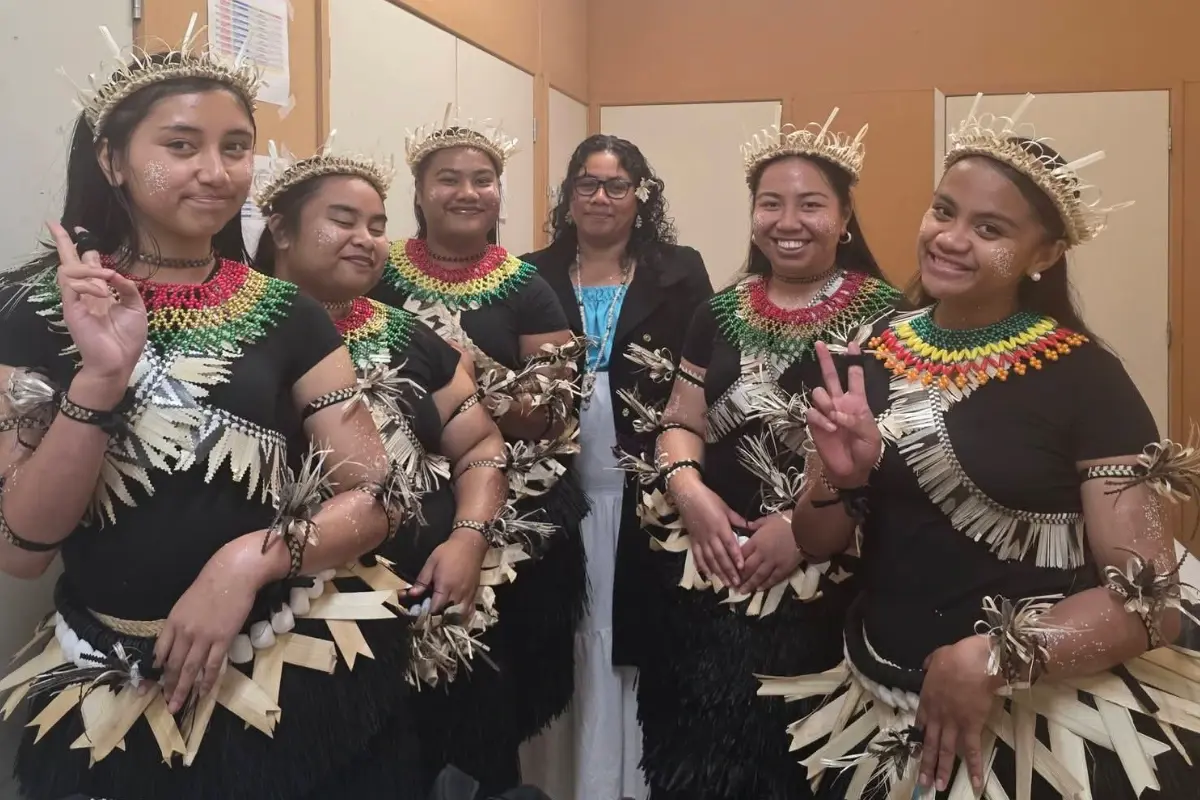
Top image: Hamon and Sarah from the Kiribati Rodney Youth showcasing their Kiribati dancing costumes during the launch of the Te Ara Urutau / Kiribati Rodney Charitable Trust Emergency and Climate Ready Project 2026, Warkworth
You May Also Like

Climate action in Vagahau Niue

Kia ora is a climate strategy

Manurewa’s next generation of kai growers

The Adaptation Game: turning climate worry into local action

Disabled communities help shape climate solutions in Auckland

From grass bank to food forest at Pasadena Intermediate
