Major Climate Initiatives Hero

CLIMATE ACTION ACROSS COUNCIL

To deliver on climate goals and become more resilient, it takes everyone in council doing our part, from major infrastructure units to community-facing teams. The following are council's major, long-term climate programmes and initiatives. Throughout the rest of this website you'll find many examples of smaller or more targeted action council is taking.

<p>Decarbonising council assets</p> image

Decarbonising council assets

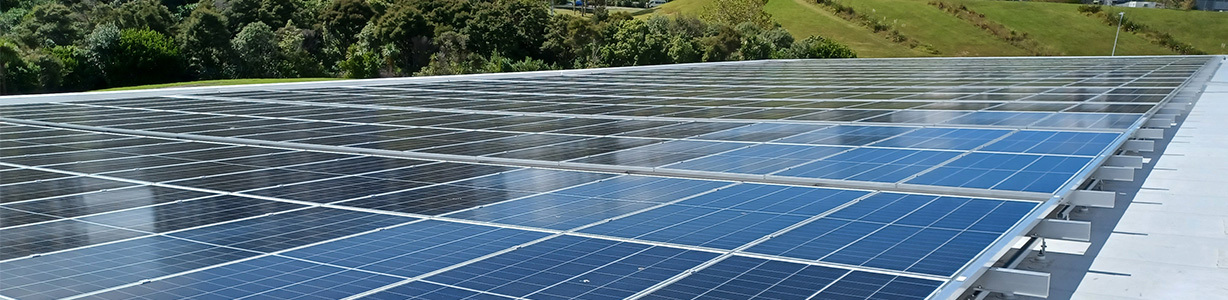
Auckland Council is rolling out a wide range of energy-efficiency and renewable energy upgrades across our own facilities, tailoring different solutions to different sites.

Decarbonising council assets

Auckland Council is rolling out a wide range of energy-efficiency and renewable energy upgrades across our own facilities, tailoring different solutions to different sites.

  • Gas boilers at community pools and leisure centres are being replaced with electric heat pumps, such as at Moana-Nui-a-Kiwa in Māngere and Stanmore Bay pools.
  • Solar panels are being installed on libraries, pools and community centres from Albany Stadium Pool to Blockhouse Bay Community Centre and Orere War Memorial Hall.
  • Other council assets are also being decarbonised, including the Auckland Domain Winter Gardens where a new biomass pellet boiler has replaced gas heating. 
  • Some of our projects are achieving the prestigious 5 Green Star rating from the New Zealand Green Building Council, acknowledging our public spaces can be financially responsible, environmentally resilient and deeply connected to community needs.

These projects demonstrate our practical, asset-by-asset approach to reducing energy use and emissions while cutting costs, making council’s libraries, halls, pools and community hubs more sustainable for the planet.
<p>Adapting Auckland’s transport system</p> image

Adapting Auckland’s transport system

Auckland Transport is strengthening our transport network by investing in infrastructure which can respond to and recover effectively from climatic hazards such as extreme weather, flooding, landslides, coastal hazards and heat stress.

Adapting Auckland’s transport system

Auckland Transport is strengthening our transport network by investing in infrastructure which can respond to and recover effectively from climatic hazards such as extreme weather, flooding, landslides, coastal hazards and heat stress.

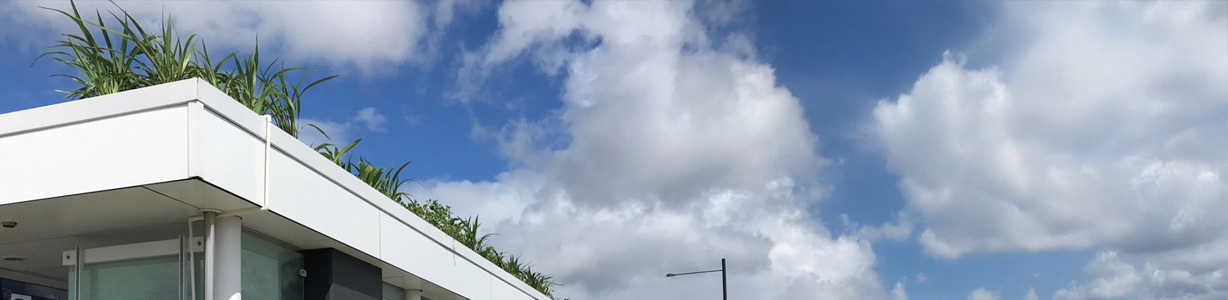
Alongside hard engineering, AT is introducing nature-based solutions such as rain gardens and living bus shelters to manage stormwater, reduce heat and improve passenger comfort.

Addressing the impacts and hazards of climate change requires a multifaceted approach that includes both mitigation and adaptation strategies. By identifying vulnerabilities and considering a range of options, AT ensures decision-making is guided by robust evidence and community needs. The collective effort of government agencies, lifeline utilities, mana whenua, and Auckland communities is critical to successful adaptation.

Explore AT projects and initiatives

<p>Mission Electric and City Rail Link</p> image

Mission Electric and City Rail Link

A project of Auckland Transport (AT), Mission Electric is a major work programme to electrify our transport network.

Mission Electric and City Rail Link

A project of Auckland Transport (AT), Mission Electric is a major work programme to electrify our transport network.

We’re replacing diesel buses with a fully electric and hydrogen powered fleet. Electric bus depots, like at New Lynn, use the latest technology to reduce burden on the grid without putting Auckland’s energy supply at risk. A major milestone was achieved in 2025 with electric trains now operating between Papakura and Pukekohe, completing the electrification of the rail network. AT is currently trialing an electric ferry on the Hauraki Gulf. Auckland’s low emissions bus roadmap aims for 100% low emission buses by 2035.

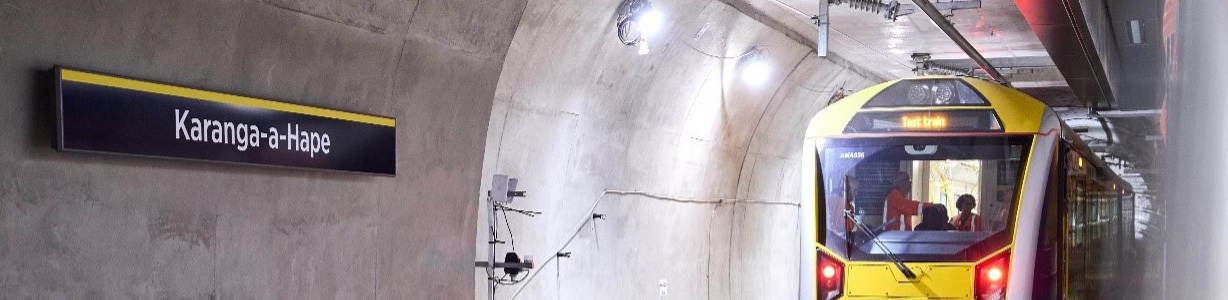
Due to open 2026, City Rail Link will deliver faster journeys, more trains and new world-class stations. The entire rail network will double existing capacity and at peak times, will have the capacity to move the equivalent of 16 extra traffic lanes into the city – that’s a lot of cars off our roads!

Mission Electric
City Rail Link

<p>Planning tools to reduce natural hazard risks</p> image

Planning tools to reduce natural hazard risks

We’re actively strengthening Auckland’s planning rulebook, the Auckland Unitary Plan (AUP), which sets out what can be built and where across Auckland right now.

Planning tools to reduce natural hazard risks

We’re actively strengthening Auckland’s planning rulebook, the Auckland Unitary Plan (AUP), which sets out what can be built and where across Auckland right now.

Stronger rules are being proposed to limit development in areas most vulnerable to flooding and other hazards. More restrictive consenting rules will apply, making new homes more resilient. And in the highest-risk areas, land zoning is proposed to change to reduce exposure to hazards.

We’re also looking ahead to manage future growth over the next 30 years. We’re removing areas of land previously marked for future urban development, because they’ve been assessed as unsuitable for urban growth. At the same time, we’re reducing the city’s environmental impacts and enhancing our resilience to natural hazards.

<p>Iwi, marae and community-led climate action</p> image

Iwi, marae and community-led climate action

We work alongside communities, marae, schools and young people to bring Te Tāruke-ā-Tāwhiri to life.

Iwi, marae and community-led climate action

We work alongside communities, marae, schools and young people to bring Te Tāruke-ā-Tāwhiri to life.

We support Māori to lead their responses, including via the Resilient Marae and Mātātahi Taiao rangatahi programmes. We support tagata Moana groups to lead with their communities, for example via Manava for Climate Resilience. Our climate activators and our schools team work alongside communities to build environmental restoration projects and grow food gardens and food forests. 

We also help strengthen Auckland’s resilience by building community knowledge around adaptation planning and action, supporting many different communities to prepare for and adapt to the growing impacts of climate change. We’re piloting different approaches to community-led adaptation planning, as well as framing up a regional approach.

Together, our work in the community connects people across Tāmaki Makaurau and ensures our region moves towards a low-carbon, resilient future.

<p>Local Board Climate Action Plans</p> image

Local Board Climate Action Plans

We’re actively strengthening Auckland’s planning rulebook, the Auckland Unitary Plan (AUP), which sets out what can be built and where across Auckland right now.

Local Board Climate Action Plans

We’re actively strengthening Auckland’s planning rulebook, the Auckland Unitary Plan (AUP), which sets out what can be built and where across Auckland right now.

Local Climate Action Plans provide a three-to-five-year roadmap with key steps to lower emissions and adapt to climate change. The plans use feedback from residents, mana whenua and local community groups to capture existing action, identify climate risks and highlight community priorities.

Local Boards adopt the plans and allocate funding for priority actions (see Grants). Actions include stream restoration, community gardens, improving walking and cycling paths, or supporting the development of Shoreline Adaptation Plans.

Find your Local Board plan

<p>Shoreline Adaptation Plans</p> image

Shoreline Adaptation Plans

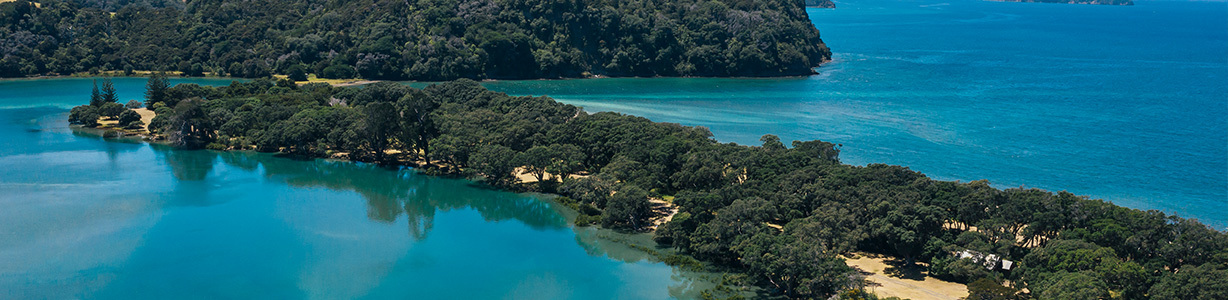
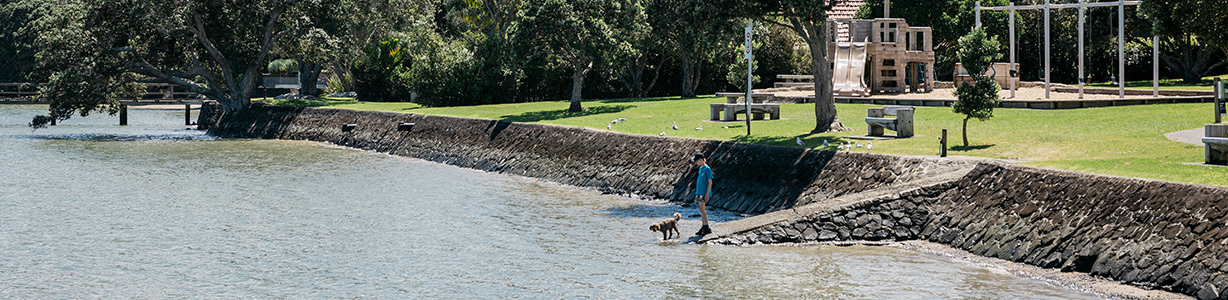
Our Shoreline Adaptation Programme develops Shoreline Adaptation Plans (SAPs) across 20 coastal areas (beaches, cliffs, harbours and estuaries).

Shoreline Adaptation Plans

Our Shoreline Adaptation Programme develops Shoreline Adaptation Plans (SAPs) across 20 coastal areas (beaches, cliffs, harbours and estuaries).

The plans aim to manage coastal hazards and climate impacts over the next 100 years on council-owned land and assets, including:

  • Coastal roads, paths and cycleways
  • Parks and assets like playgrounds, public toilets and carparks
  • Seawalls
  • Boat ramps, jetties and pontoons
  • Stormwater and drainage infrastructure
  • Council buildings like surf lifesaving clubs

The SAPs don’t plan for:

  • Privately owned property or infrastructure (such as homes, private seawalls, businesses)
  • State highways and rail networks (responsibility of Waka Kotahi or KiwiRail)
  • Underground services not managed by the council (such as gas, telecommunications)
  • Ports and airport infrastructure, which fall under different entities

SAPs analyse hazards such as coastal erosion, inundation and flooding over short, medium, and long-term timeframes to inform adaptive strategies. Plans are developed collaboratively with mana whenua, infrastructure providers and coastal communities, and proceed through iwi review, community feedback, local board endorsement, and council approval. Once approved, the council integrates these plans into broader policy instruments such as long-term budgets, asset management and park strategies. We also initiate some actions immediately where budgets allow.

Find out more

<p>2023 flood recovery</p> image

2023 flood recovery

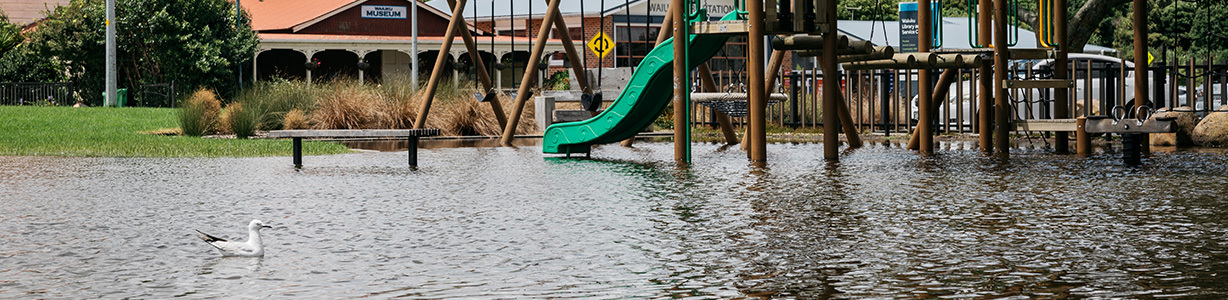
Following Cyclone Gabrielle and the 2023 Auckland Anniversary Floods, our recovery approach has focused on repairing and strengthening infrastructure, supporting affected communities and investing in long-term resilience to reduce future flood risks.

2023 flood recovery

Following Cyclone Gabrielle and the 2023 Auckland Anniversary Floods, our recovery approach has focused on repairing and strengthening infrastructure, supporting affected communities and investing in long-term resilience to reduce future flood risks.

In partnership with central government, we dedicated a $2 billion flood recovery and resilience package, which has supported:

  • home buy-outs and grants
  • the storm response fund
  • drinking water and wastewater repairs
  • repairs to Auckland’s transport network

More than 1200 high-risk and flood-affected Auckland properties have already been or are expected to be purchased by Auckland Council – making it one of the largest land acquisition programmes undertaken in New Zealand. We’re now carefully deciding what to do with this storm-affected land, with decisions expected to take years. Read more

The Tāmaki Makauraru Recovery Office has also been supporting mana whenua and neighbourhood groups, faith leaders and young people, as well as communities across Tāmaki Makaurau, to come together and plan for for the future.

Find out more

<p>Making Space for Water</p> image

Making Space for Water

Our Making Space for Water programme is a $760 million, 10‑year flood resilience programme, launched in 2024 in response to the extreme weather events of early 2023. It's part of the Tāmaki Makaurau Recovery Plan and is co‑funded by central government.

Making Space for Water

Our Making Space for Water programme is a $760 million, 10‑year flood resilience programme, launched in 2024 in response to the extreme weather events of early 2023. It's part of the Tāmaki Makaurau Recovery Plan and is co‑funded by central government.

The programme prepares for floods and reduces flood risks by making space for water to move safely through neighbourhoods. It includes core initiatives:

  • blue‑green projects (see below)
  • significant investment in stormwater infrastructure
  • increased stormwater maintenance
  • stream and waterway resilience
  • community, and site-specific solutions to manage flood risks
  • flood intelligence tools (like the Auckland Flood Viewer).

Major infrastructure upgrades are now underway. 

You can also check out some big Making Space for Water flood resilience projects here:

Making space for water explained

<p>Blue-green networks</p> image

Blue-green networks

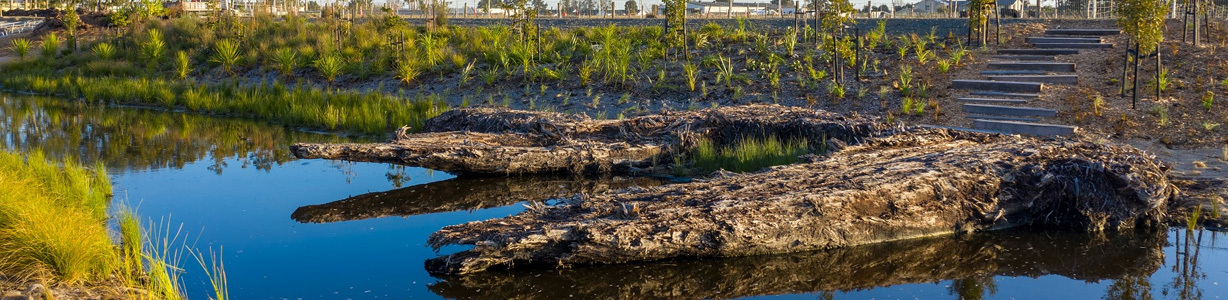
As part of the Making Space for Water programme, we identified 12 potential areas around the region that were either hit hard during the 2023 floods or that could most benefit from blue-green networks.

Blue-green networks

As part of the Making Space for Water programme, we identified 12 potential areas around the region that were either hit hard during the 2023 floods or that could most benefit from blue-green networks.

A blue-green network is a system of waterways (blue) and parks (green) that give stormwater space to flow and help reduce flooding where people live. 

Find out more

<p>Urban Ngāhere</p> image

Urban Ngāhere

Auckland Council’s Urban Ngāhere programme aims to increase the city’s urban tree canopy to 30% overall and at least 15% in every local board area by 2050, guided by the pillars of Knowing, Growing and Protecting.

Urban Ngāhere

Auckland Council’s Urban Ngāhere programme aims to increase the city’s urban tree canopy to 30% overall and at least 15% in every local board area by 2050, guided by the pillars of Knowing, Growing and Protecting.

The programme combats urban heat and reduces flooding risks by cooling neighborhoods and improving stormwater management, while also strengthening nurseries, planting partnerships, regulatory tools, data and public education.

Working closely with mana whenua, community groups, schools and volunteers, including the Tūpuna Maunga Authority, the council supports native plant propagation and restoration across the city. In 2023 alone, these efforts resulted in roughly 750,000 trees planted over 18 hectares, demonstrating a strong community-driven approach.

Tree planting is growing our urban ngāhere, boosting canopy cover that provides habitat for native wildlife and strengthens our connection to nature – supporting healthier more resilient communities.

Find out more

<p>Local and regional parks</p> image

Local and regional parks

Local and regional parks in Auckland play a crucial role in building climate resilience. The city's parks network spans over 100,000 hectares of open space, biodiverse habitat, and infrastructure (like playgrounds!) that supports both people and nature.

Local and regional parks

Local and regional parks in Auckland play a crucial role in building climate resilience. The city's parks network spans over 100,000 hectares of open space, biodiverse habitat, and infrastructure (like playgrounds!) that supports both people and nature.

Regional parks, including the Hunua and Waitākere Ranges, are important ecosystems that supply clean drinking water and support native biodiversity. These areas anchor natural resource protection and underpin our climate adaptation strategies. Parks serve as “green infrastructure”. Natural features capture and slow stormwater runoff, buffer flooding during extreme rain, and reduce urban heat, helping communities cope with a changing climate.

Climate change is also causing increased wildfire risks. We reduce these risks by removing flammable invasive species and maintaining healthy native vegetation to slow the spread of fire.

Find a park or beach

Auckland regional parks

<p>Climate-friendly urban regeneration</p> image

Climate-friendly urban regeneration

AUDO (Auckland Urban Development Office, formerly Eke Pānuku) leads urban regeneration that puts climate action at its heart – designing neighbourhoods that are low-carbon, connected and ready for the future.

Climate-friendly urban regeneration

AUDO (Auckland Urban Development Office, formerly Eke Pānuku) leads urban regeneration that puts climate action at its heart – designing neighbourhoods that are low-carbon, connected and ready for the future.

From re-greening streets to restoring waterways and creating spaces where communities can thrive, AUDO’s work shows how placemaking can also be climate action.

Find out more

Our climate-related websites (there’s a few!)

Auckland Emergency Management

Auckland Emergency Management icon Auckland Emergency Management (AEM) is a part of Auckland Council. We work alongside central government, emergency services and other organisations to help our communities prepare for, respond to and recover from emergencies – including climate-related disasters. In a weather or climate emergency, AEM is the website to use.
Find out more

Auckland Council

Auckland Emergency Management icon Everything you need to know about Auckland Council. Includes all of our climate-related plans, such as Te Tāruke-ā-Tāwhiri: Auckland's Climate Plan. Find out more

OurAuckland

Our Auckland icon Auckland Council’s latest news and events – search words like climate, emergency, recovery, flood, resilience, adaptation or mitigation for climate-related news. Find out more

Knowledge Auckland

Knowledge Auckland icon This is where we hold all the reports, research and evidence that help inform our decision making. Search words like climate, hazard, risk, vulnerability, emergency, flood, resilience, adaptation or mitigation for climate-related research. Find out more

ClimateConnect Aotearoa

ClimateConnect Aotearoa icon An Auckland Council website supporting businesses across Tāmaki Makaurau in our transition to a low-carbon economy. Includes He Kete Mātauranga, a space for empowering businesses and communities to create climate resilience through Māori knowledge systems and frameworks. Find out more

Tiaki Tāmaki Makaurau (Conservation Auckland)

Tiaki Tāmaki Makaurau icon Auckland Council works alongside mana whenua, conservation partners and the community to manage and protect our natural environment, restore ecosystems and protect and improve biodiversity in the Auckland region. Restoration initiatives are direct climate action, as healthy natural systems like forests and wetlands remove and store carbon dioxide and also regulate climate systems that keep our world in balance. Find out more

FutureFit

FutureFit icon FutureFit provides a snapshot of your personal carbon footprint and helps you identify possible changes to reduce your footprint. Find out more

Watercare

  Watercare is reducing emissions by switching to renewable energy, improving energy efficiency across operations, and upgrading treatment plants to lower greenhouse gas output. We are also enhancing climate resilience by adopting dynamic adaptive planning and investment in infrastructure to withstand the impacts of sea-level rise and extreme weather events. Find out more

Auckland Transport

  Auckland Transport is actively reducing emissions through initiatives like the Low Emission Bus Roadmap, aiming for a fully electric bus fleet by 2030, and electrifying our corporate vehicle fleet. We’re investing in intensive infrastructure planning to ensure our transport system can withstand climate impacts such as sea-level rise and extreme weather.
Find out more

Tātaki Auckland Unlimited

  Tātaki Auckland Unlimited, our agency for culture, tourism and events, impacts climate through venues and events, which consume energy, generate waste and are exposed to climate risks such as storm damage. The agency also influences broader regional emissions via economic development and tourism. To respond, it is certified under Toitū’s carbon programmes, is developing a Climate Change & Environment Strategic Plan, and has taken actions like diverting waste at major festivals and replacing gas heating with electric in the Auckland Art Gallery. Find out more

JOIN OUR NEWSLETTER

Join our newsletter to receive the latest climate action and community news.

This website requires cookies to provide all of its features.

For more information on what data is contained in the cookies, please click the 'Read More' button. To accept cookies from this site, please click the 'I Agree' button.

Read More