Food Forest Hero (1)

Food forests

Food forests are one way communities can work together to grow kai, support biodiversity, and build climate resilience together.

What is a food forest?

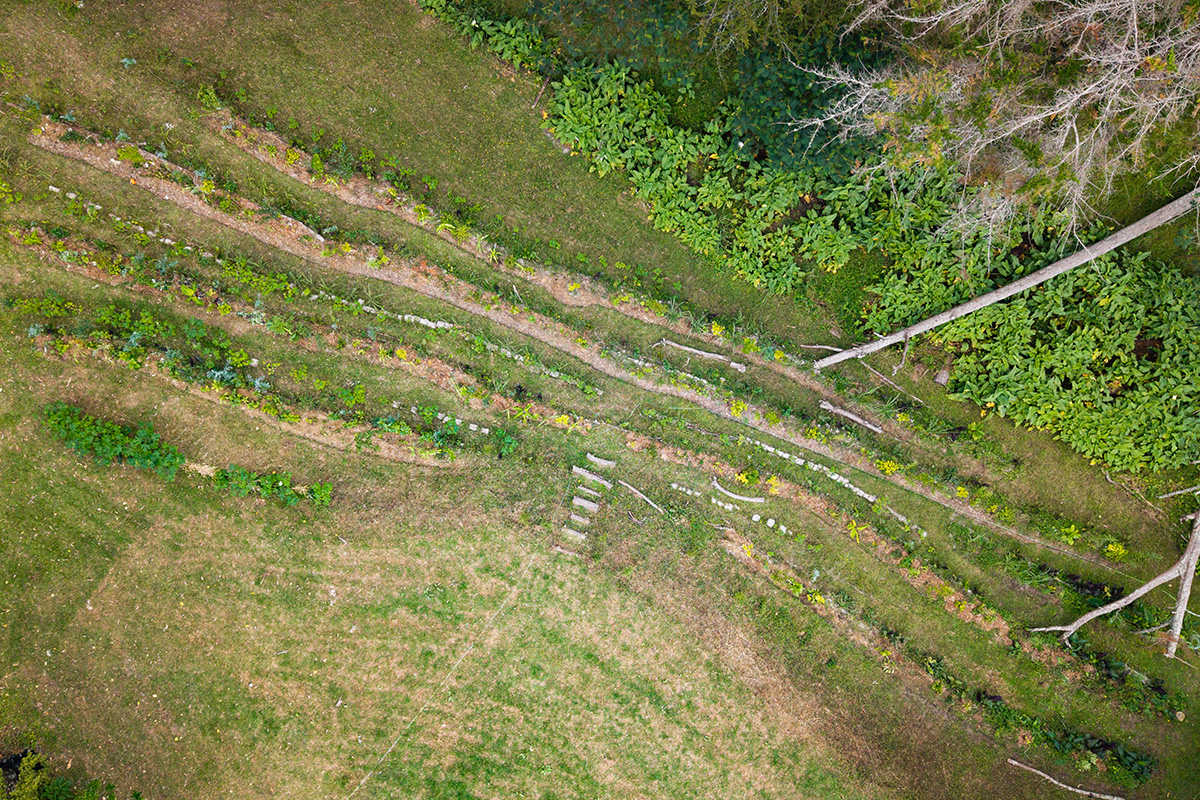
Food forests are a way of growing food that works with nature.

This approach has been used by communities around the world for generations. Long before modern agriculture, people worked with forest landscapes to grow and harvest food in ways that supported both people and the environment.

Today, a food forest usually means planting in a way that mimics a natural forest, while including fruit and food producing trees we love to eat.

Instead of planting one crop at a time, different plants grow together in layers - like trees, shrubs, herbs and ground plants. They support each other, just like they would in nature.

This makes it easier to grow food over time with fewer external inputs, like chemicals. 

Food Forest 1200X800

Food forests pilot

Auckland Council is supporting community groups and marae to develop food forest projects. These projects aim to:

  • Grow more trees across Tāmaki Makaurau
  • Strengthen local food resilience
  • Support communities to grow and share their own kai
  • Improve soil health, flood and drought resilience 

Pacific Vision Aotearoa

Pacific Vision Aotearoa

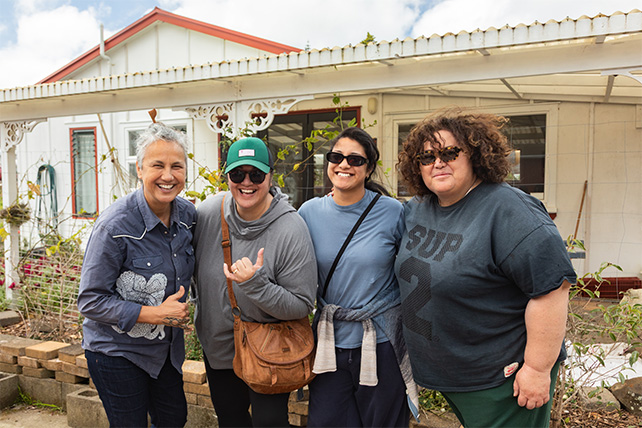
Behind our base at 41 Boundary Road, on the edge of Te Pae o Manukau, we’ve been dreaming up a food forest. Once upon a time, the ngahere/forest was our ancestors' supermarket that provided all the tools and kai they needed to thrive.

Our vision today is to recreate that abundant ngahere, by growing fruit trees and ancestral plants, including plants that sailed here with our Pasifika people long ago.

This is part of our kai resilience kaupapa giving the surrounding community direct, public access to food while restoring our relationships with our roots, kai and whenua.

FacebookFind out more

Triangle Park

Triangle Park

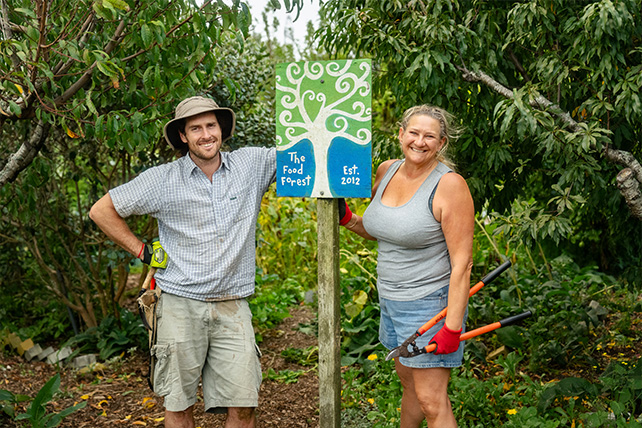
For more than 15 years, Triangle Park Teaching Garden has been a place for the community to come together, building hands on skills in growing kai and caring for the environment.

West Auckland was once shaped by vineyards, orchards and market gardens, yet today many face challenges accessing nourishing, affordable food.

Now, the garden is expanding, with plans to cloak more of the park in a food forest that will provide shade, restore soil health, grow local kai, and strengthen community resilience.

FacebookFind out more

Te Piringatahi o te Maungaarongo

Te Piringatahi o te Maungaarongo Marae

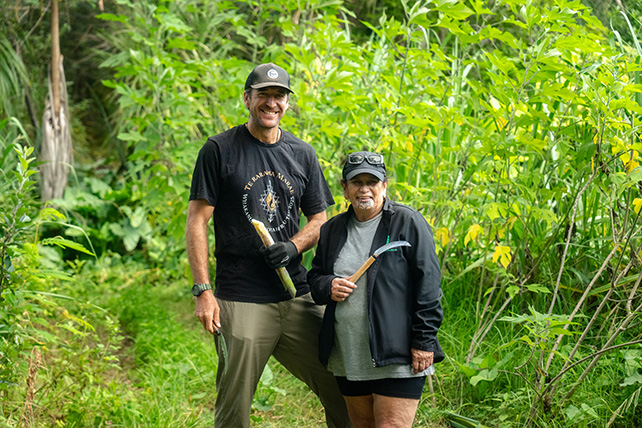
Te toto o te tangata he kai, te oranga o te tangata, he whenua, he oneone. While food provides the blood in our veins, our wellbeing is drawn from the land and soils. Te Piringatahi o te Maungaarongo is a mātāwaka marae in West Harbour.

It’s the home of an emerging wao hua, food forest that weaves together kōrero tuku iho and iwi taketake knowledge with modern kai growing methods to enhance the health of the soil, grow nutritious kai and increase the wellbeing of whānau and community in West Auckland.

FacebookFind out more

News & Highlights

Te Maara Kai o Wirihana preview image
Kai Resilience
Kai Resilience 27 Mar 2026

Te Maara Kai o Wirihana

At Manurewa High School, a vibrant kaupapa is taking shape through Te Maara Kai o Wirihana.
The kai resilience movement in Tāmaki Makaurau preview image
OUR AUCKLAND
11 Aug 2025

The kai resilience movement in Tāmaki Makaurau

Supporting locals to plant food forests and grow vegetables, protecting soil and reducing food-related emissions...
Awhi Mai Te Atatū: Growing as a community preview image
Auckland Climate Action
25 Apr 2024

Awhi Mai Te Atatū: Growing as a community

Behind a church in Te Atatū Peninsula, the site of an old unused playground is being transformed into a productive māra kai (food garden) for the community with funding from the Auckland Climate Grant.
Garden initiatives in the community – sharing kai and knowledge preview image
OUR AUCKLAND
27 Oct 2023

Garden initiatives in the community – sharing kai and knowledge

Struggling to make ends meet is stressful, particularly when food prices make essential staples such as fruit and vegetables a luxury item for many...

JOIN OUR NEWSLETTER

Join our newsletter to receive the latest climate action and community news.

This website requires cookies to provide all of its features.

For more information on what data is contained in the cookies, please click the 'Read More' button. To accept cookies from this site, please click the 'I Agree' button.

Read More