Community Adaptation Hero

Community adaptation planning

Community adaptation planning is about preparing together for the changes we’re already seeing in our climate — from heavier rain and flooding to rising seas and coastal erosion, rising temperatures and drought.

It’s a practical, people-first approach that brings local knowledge, values and lived experience to the same table as mātauranga, science and technical expertise. At its heart, adaptation planning is values-led. It’s about fairness, care and shared responsibility – making sure solutions work for everyone, not just a few.

Plans need to reflect what matters most to a community. That means taking the time to listen, involve diverse voices and build a sense of collective ownership.

Strong, connected communities are the foundation of all effective adaptation.

Community Adaptation Thumb
<h3>Getting started: Come together as a group</h3> image

Getting started: Come together as a group

If you want to start thinking about building climate safety in your neighbourhood (or sports club, church or local interest group), the first step is to find out what else is happening in your area related to climate change.

Getting started: Come together as a group

If you want to start thinking about building climate safety in your neighbourhood (or sports club, church or local interest group), the first step is to find out what else is happening in your area related to climate change.

  • This might include stream restoration or other environmental projects, community gardens, energy projects or cultural initiatives (including shows or exhibitions at local galleries and theatres).
  • You could also check in with key community hubs, such as community centers, schools and marae, and learn how they are preparing for the long-term impacts of climate change.

Once you have a group together, use the following ideas and information to spark conversation and build projects in your community.

Check out the resources as well as the links to other councils (and countries) working hard at adapting to our changing climate.

<h3>Build your community’s knowledge together</h3> image

Build your community’s knowledge together

Community-led climate adaptation is when local people are closely involved in shaping solutions that actually fit your lives. It doesn’t expect communities to fund or resource these solutions themselves, or carry the load alone.

Build your community’s knowledge together

Community-led climate adaptation is when local people are closely involved in shaping solutions that actually fit your lives. It doesn’t expect communities to fund or resource these solutions themselves, or carry the load alone.

It’s about working together to figure out what will and won’t work, bringing everyone along, and partnering with council to turn good ideas into action.

<h4>Begin with mana whenua knowledge</h4> image

Begin with mana whenua knowledge

Learn about what mana whenua are doing to protect landscapes and ecosystems in your area.

Begin with mana whenua knowledge

Learn about what mana whenua are doing to protect landscapes and ecosystems in your area.

Find out how the land has changed over time. Were there wetlands, floodplains or flowing streams? How are those places being used now?

The work of mana whenua is likely to show how ecosystems – supported by important cultural practices – can recover and thrive today.

<h4>Gather local histories and knowledge</h4> image

Gather local histories and knowledge

Gather stories from community members about their experiences with climate events like floods, droughts or storms.

Gather local histories and knowledge

Gather stories from community members about their experiences with climate events like floods, droughts or storms.

  • Add personal or family stories: How did your ancestors or family come to be here? Older family and community members might have telling stories about past local weather events.
  • How did other communities settle in the area and what were their hopes and dreams for this place?
  • Migrant communities might have recent experiences from home places and countries to learn from. How are other nations – especially our Pacific neighbours – adapting to change?
<h4>Build a shared understanding of climate change</h4> image

Build a shared understanding of climate change

You don't need to be a scientist. There are many easily accessible resources to learn together about how climate change is affecting your region and what it means for your community.

Build a shared understanding of climate change

You don't need to be a scientist. There are many easily accessible resources to learn together about how climate change is affecting your region and what it means for your community.

  • Tools like Auckland Council Flood Viewer are one place to start.
  • Invite experts to come and discuss local issues and identify areas at risk of flooding, sea-level rise, coastal erosion, heatwaves or other climate impacts.
<h4>Gather community values, visions and goals</h4> image

Gather community values, visions and goals

Strong collective values guide strong community adaptation. What’s really important to remember as things change around you? What do you value the most? How do you want your local place to look or feel like in the future, for your mokopuna and theirs?

Gather community values, visions and goals

Strong collective values guide strong community adaptation. What’s really important to remember as things change around you? What do you value the most? How do you want your local place to look or feel like in the future, for your mokopuna and theirs?

  • Have fun while you’re learning together!
  • Use creative methods like our Climate Conversation Postcards, games or art to express what your community loves about your area and wants in the future. Incorporate hākari (shared kai), hīkoi (community walks) or group map-making.
  • See the Resources below.
<h4>Start with small projects and seek funding</h4> image

Start with small projects and seek funding

You don't have to do everything at once! Pick one relatively easy project to build momentum – celebrate any wins!

Start with small projects and seek funding

You don't have to do everything at once! Pick one relatively easy project to build momentum – celebrate any wins!

<h3>Learn more about “adaptation options”</h3> image

Learn more about “adaptation options”

Adaptation options are the actions we could take to help cope with the effects of climate change. Each option has costs, benefits and trade-offs.

Learn more about “adaptation options”

Adaptation options are the actions we could take to help cope with the effects of climate change. Each option has costs, benefits and trade-offs.

The PARA framework

Adaptation options are often grouped according to the PARA framework. These are four broad ways Auckland and Aucklanders can adapt to climate disruption:

  • Protecting: Shielding people, places and taonga from hazards, for example building flood barriers or sea walls, planting resilient crops or strengthening infrastructure. 
  • Avoiding: Preventing people and infrastructure from being put in hazardous places. This might be done through new planned rules, such as restricting development in vulnerable locations. 
  • Retreating: Moving people, taonga and infrastructure out of harm's way in a planned, supported and accessible process.
  • Accommodating: Adjusting behaviour and infrastructure to live with climate disruption, e.g. designing cities for hotter temperatures or heavier rainfall, raising floor levels of buildings, installing early warning systems or water tanks at home. 

Nature-based solutions

Nature-based solutions use the power of te taiao – including wetlands, trees, natural waterways and green spaces – to help communities adapt to climate impacts. Nature-based solutions can be used in all of the PARA options above.

Nature-based solutions can protect people and the environment at the same time, while also boosting biodiversity, improving wellbeing and absorbing carbon.

Adaptation options catalogue

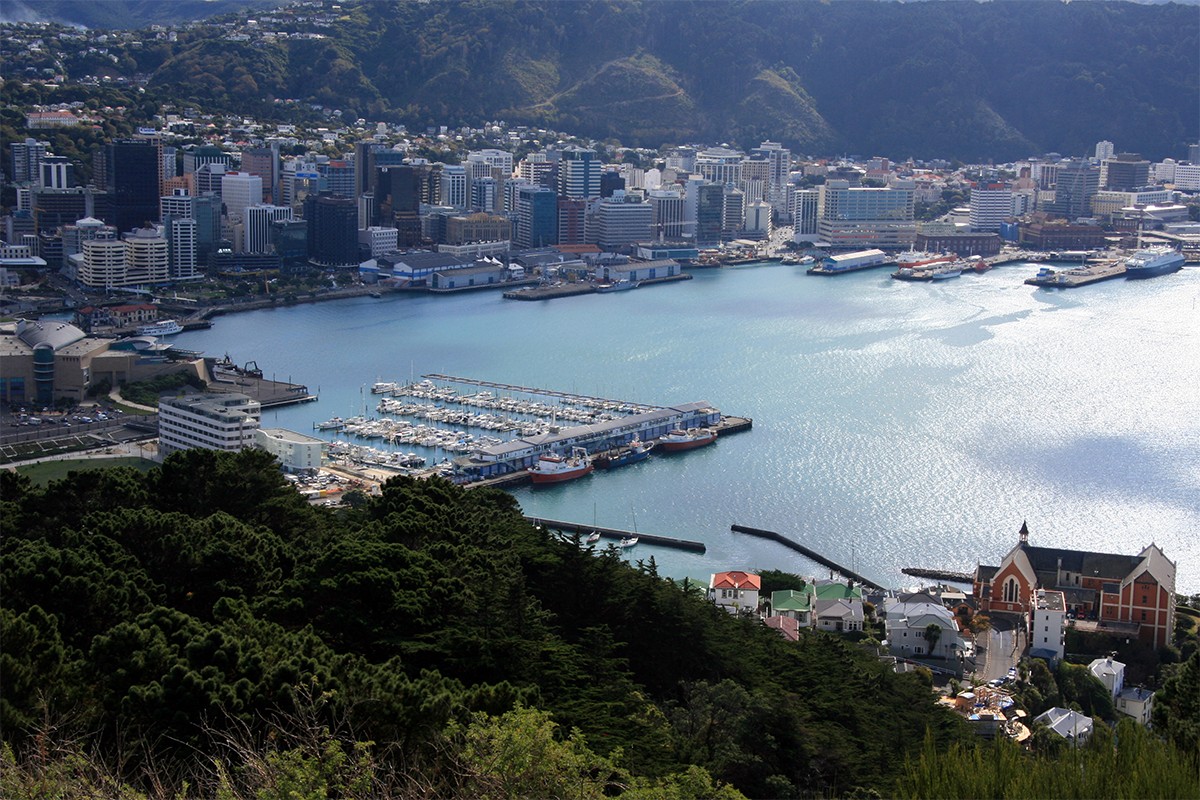
Wellington City Council has produced an “Adaptation Options Catalogue”. While specific to Wellington, many of the options are relevant for the Auckland region. The catalogue is a great way to start a conversation about the future of your neighbourhood.

View the Adaptation Options Catalogue (PDF) →

Climate Terms Made Simple

Language shouldn't be a barrier to climate action. Get clear, plain-language definitions for the common and technical terms used in climate planning and resilience.

View the definitions resource

Community Adaptation Climate Words

Examples of community adaptation planning

In Tāmaki Makaurau

REMOVI~1

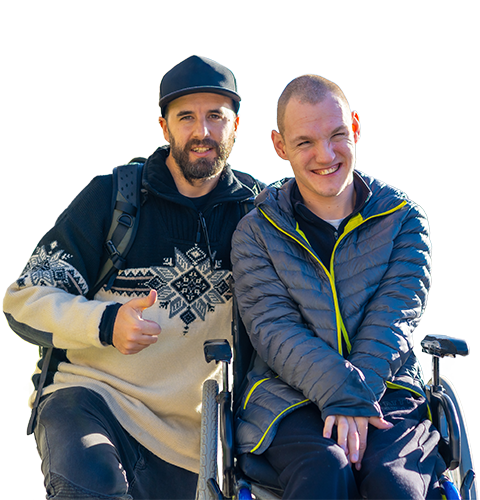
Disability-led climate adaptation pilot

As masters of adaptation, disability communities bring vital experience and insight to climate action. When disabled people lead and shape adaptation planning, the solutions created are more inclusive, practical, and effective for everyone – including older people, those with health conditions, and children. For disabled people to fully participate, their access needs must be recognised and met, ensuring a future where resilience truly means no one is left behind.

This Disability-Led Climate Adaptation Pilot is exploring how disabled communities can plan for and respond to climate disruption. The pilot includes a participatory funding process, by which $150,000 in grants will be allocated by disabled leaders to disability initiatives. The pilot is being run by Community Think.


Find out more

Rodnet Resilience

Rodney rural resilience

In Rodney, the Sustainable North Trust and the Kaipara Regenerative Farming Group are working together to strengthen rural resilience. Through community walks, workshops, field trips and film screenings, they’re helping farmers and lifestyle block owners learn about regenerative farming and the power of healthy soils. By improving farming practices and restoring soil health, the land can become a living sponge – rich with life, able to store more carbon and water, and better withstand both floods and droughts. This integrated approach delivers multiple benefits: it supports both climate mitigation and risk reduction while improving local biodiversity and food systems.


Find out more


Iwi and marae-led resilience projects

Check out this section of our website for information on projects developed and led by iwi across Tāmaki Makaurau. Find out more

GAMES, TOOLS & RESOURCES

Select subject

Select file type

Climate Fresk Aoteaora preview image

Climate Fresk Aotearoa

Is climate education accessible to anyone and can be scaled quickly within an organisation or community.

Website
Community Group Map preview image

Community Group Map

Explore our Gommunity Group map to see if there's a group you'd like to join – or check if your group is listed!

Website
Te Ara Urutau – Climate and Emergency Ready Fund preview image

Te Ara Urutau – Climate and Emergency Ready Fund

Supporting community organisations to take meaningful action on climate change and be emergency ready.

Website
The Adaptation Game (TAG) preview image

The Adaptation Game (TAG)

Simulating the next 10 years of climate change in your town, to help community adapt.

Game
Township Flooding Game, Earth Sciences NZ preview image

Township Flooding Game, Earth Sciences NZ

The Township Flood Challenge is an online climate change and extreme weather adaptation game.

Game
Warm regards, | He mihi maioha: Postcards to spark community climate conversations preview image

Warm regards, | He mihi maioha: Postcards to spark community climate conversations

This collection of illustrated postcards helps you and your community think, feel and dream towards alternative climate futures. Designed to get the climate adaptation conversation rolling.

Poster
Footprints 00486

FEATURE STORY

Planet-proof Papakura

How Papakura is planning together for a changing climate

Read more

Adaptation planning examples

National and international

See how communities in Aotearoa and around the world are planning for a changing climate – each approach inspired by local landscapes, needs, and stories.

Adaptation planning examples

COCFD5~1

JOIN OUR NEWSLETTER

Join our newsletter to receive the latest climate action and community news.

This website requires cookies to provide all of its features.

For more information on what data is contained in the cookies, please click the 'Read More' button. To accept cookies from this site, please click the 'I Agree' button.

Read More