


We're coastal people
Perhaps more than any other city in Aotearoa, we Aucklanders adore our coast. We love and cherish our beaches, our cliffs and our beaches. The ocean’s very edges are woven into our region’s identity, culture and daily rhythms. Whether it's catching a sunset at the beach, harvesting kaimoana or sailing the harbour, our coast gives us meaning and enjoyment.

Reshaping the land-sea boundary
Rising seas, coastal erosion and flooding, and big storm-on-tide events are reshaping the land–sea boundary, and impacting coastal homes, communities and ecosystems. Saltwater intrusion can damage freshwater supplies, wetlands and agricultural land, while the loss of dunes and estuaries erodes natural buffers that currently protect communities, ecosystems and taonga species.
Long-term planning
By combining nature-based solutions, long-term planning, flexible infrastructure and community-led adaptation, informed by science and mātauranga, we are reducing these impacts and protecting what matters most.

Resilient, living coastlines
Together we can realise our vision for a resilient living coastline where communities and culture continue to thrive despite our changing climate.
TOOLS AND RESOURCES


How council is responding to coastal change
Shoreline Adaptation Plans
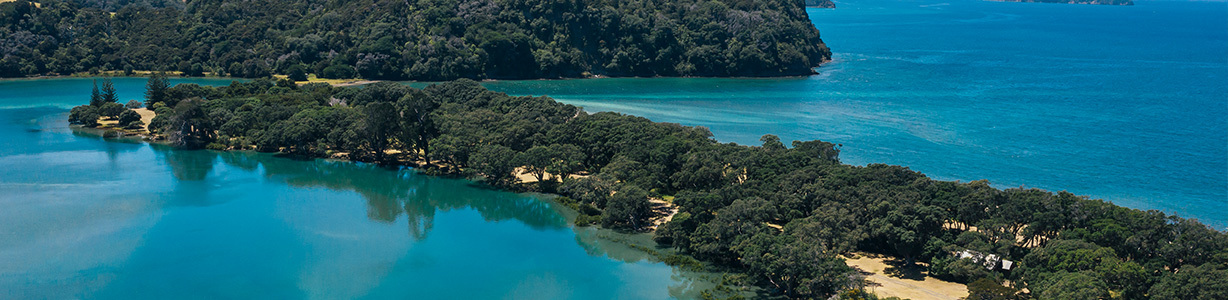
Our Shoreline Adaptation Programme develops Shoreline Adaptation Plans (SAPs) across 20 coastal areas (beaches, cliffs, harbours and estuaries).
Shoreline Adaptation Plans
Our Shoreline Adaptation Programme develops Shoreline Adaptation Plans (SAPs) across 20 coastal areas (beaches, cliffs, harbours and estuaries).
Shoreline Adaptation Plans
Our Shoreline Adaptation Programme develops Shoreline Adaptation Plans (SAPs) across 20 coastal areas (beaches, cliffs, harbours and estuaries).
The plans aim to manage coastal hazards and climate impacts over the next 100 years on council-owned land and assets, including:
- Coastal roads, paths and cycleways
- Parks and assets like playgrounds, public toilets and carparks
- Coastal protection measures like seawalls, rock revetments and retaining walls
- Boat ramps, jetties and pontoons
- Stormwater and drainage infrastructure
- Council buildings like surf lifesaving clubs
The SAPs don’t plan for:
- Privately owned property or infrastructure (such as homes, private seawalls, businesses)
- State highways and rail networks (responsibility of Waka Kotahi or KiwiRail)
- Underground services not managed by the council (such as gas, telecommunications)
- Ports and airport infrastructure, which fall under different entities
SAPs analyse hazards such as coastal erosion, inundation and flooding over a range of climate change scenarios to inform adaptive strategies. Plans are developed collaboratively with mana whenua, infrastructure providers and coastal communities, and proceed through iwi review, community feedback, local board endorsement, and council approval. Once approved, the council integrates these plans into broader policy instruments such as long-term budgets, asset management and park strategies. We also initiate some actions immediately where budgets allow.
Planning tools to reduce natural hazard risks to future communities
We’re actively strengthening Auckland’s planning rulebook, the Auckland Unitary Plan (AUP), which sets out what can be built and where across Auckland right now.
Planning tools to reduce natural hazard risks to future communities
We’re actively strengthening Auckland’s planning rulebook, the Auckland Unitary Plan (AUP), which sets out what can be built and where across Auckland right now.
Planning tools to reduce natural hazard risks to future communities
We’re actively strengthening Auckland’s planning rulebook, the Auckland Unitary Plan (AUP), which sets out what can be built and where across Auckland right now.
Stronger rules are being proposed to limit development in areas most vulnerable to flooding and other hazards. More restrictive consenting rules will apply, making new homes more resilient. And in the highest-risk areas, land zoning is proposed to change to reduce exposure to hazards.
We’re also looking ahead to manage future growth over the next 30 years. We’re removing areas of land previously marked for future urban development, because they’ve been assessed as unsuitable for urban growth. At the same time, we’re reducing the city’s environmental impacts and enhancing our resilience to natural hazards.

Climate-friendly urban regeneration
AUDO (Auckland Urban Development Office, formerly Eke Pānuku) leads urban regeneration that puts climate action at its heart – designing neighbourhoods that are low-carbon, connected and ready for the future.
Climate-friendly urban regeneration
AUDO (Auckland Urban Development Office, formerly Eke Pānuku) leads urban regeneration that puts climate action at its heart – designing neighbourhoods that are low-carbon, connected and ready for the future.
Climate-friendly urban regeneration
AUDO (Auckland Urban Development Office, formerly Eke Pānuku) leads urban regeneration that puts climate action at its heart – designing neighbourhoods that are low-carbon, connected and ready for the future.
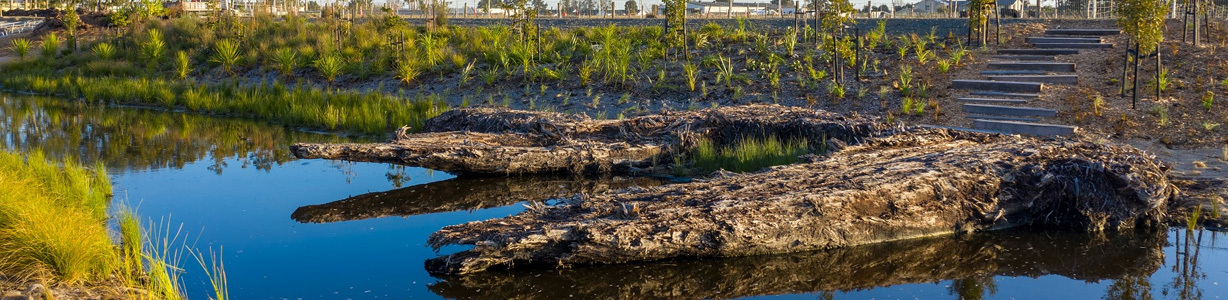
From re-greening streets to restoring waterways and creating spaces where communities can thrive, AUDO’s work shows how placemaking can also be climate action.
Adapting Auckland’s Transport System
Auckland Transport is strengthening our transport network by investing in infrastructure which can respond to and recover effectively from climatic hazards such as extreme weather, flooding, landslides, coastal hazards and heat stress.
Adapting Auckland’s Transport System
Auckland Transport is strengthening our transport network by investing in infrastructure which can respond to and recover effectively from climatic hazards such as extreme weather, flooding, landslides, coastal hazards and heat stress.
Adapting Auckland’s Transport System
Auckland Transport is strengthening our transport network by investing in infrastructure which can respond to and recover effectively from climatic hazards such as extreme weather, flooding, landslides, coastal hazards and heat stress.
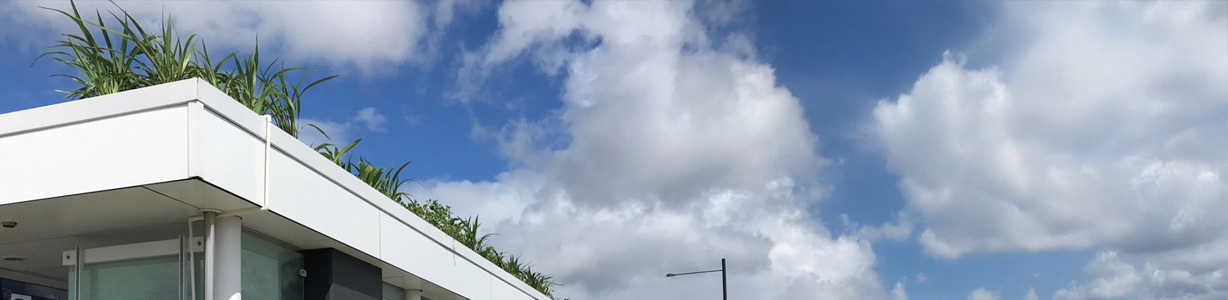
Alongside hard engineering, AT is introducing nature-based solutions such as rain gardens and living bus shelters to manage stormwater, reduce heat and improve passenger comfort.
Addressing the impacts and hazards of climate change requires a multifaceted approach that includes both mitigation and adaptation strategies. By identifying vulnerabilities and considering a range of options, AT ensures decision-making is guided by robust evidence and community needs. The collective effort of government agencies, lifeline utilities, mana whenua, and Auckland communities is critical to successful adaptation.
News & Highlights

COUNCIL NEWS
23 Sep 2025
Safeguarding our coasts: 11 more shoreline adaptation plans confirmed for Tāmaki Makaurau
Auckland Council has confirmed 11 more shoreline adaptation plans for Tāmaki Makaurau, bringing the total to 18.

OUR AUCKLAND
9 Sep 2025
Beginning the conversation today for our beaches of tomorrow
Climate change is not only an environmental issue, but a deeply social one, and perhaps one of the biggest challenges of the 21st century.

COUNCIL NEWS
5 Aug 2025
New website puts coastal data in Aucklanders’ hands
Auckland’s coastal monitoring data is now publicly viewable on Auckland Council’s newly launched Coastal Monitoring Portal.

Our Auckland
21 Aug 2024
Solar panels and batteries provide the missing link for Te Henga / Bethells Beach
As part of Auckland Council’s Storm Recovery and Resilience fund, the Matuku Reserve Trust in Te Henga / Bethells Beach was granted $32,000 to purchase batteries that can store power generated by solar panels at the Trust’s Sustainable Wetland Education Centre.