


Wild and breathtaking landscapes
In Tāmaki Makaurau we’re known for our wild and breathtaking landscapes. Over generations, we’ve found ways to treasure, care for and love this wild beauty.

Disruption and damage
More intense floods, landslides, storms and high winds disrupt these landscapes and our built environments, damaging homes, roads, infrastructure and our hills and waterways. They can also impact the mauri of ecosystems, washing away soils and stressing taonga species.

Laying resilient foundations
When we restore wetlands, create blue-green corridors so water can run more freely, reinstate and strengthen the ngāhere and design resilient infrastructure, we lay the foundations to respond sensibly to climate change.

Mātauranga and adaptation
Iwi and marae are planning in line with seasonal tohu and the maramataka, which have much to teach us.
All these diverse projects help us reach our goals to build our resilience and protect what we love. We can restore a safe and thriving environment where Auckland’s natural forces are respected, communities are prepared, and people and nature endure and adapt together.
TOOLS AND RESOURCES


How council is responding to floods, landslides & wind
Making Space for Water
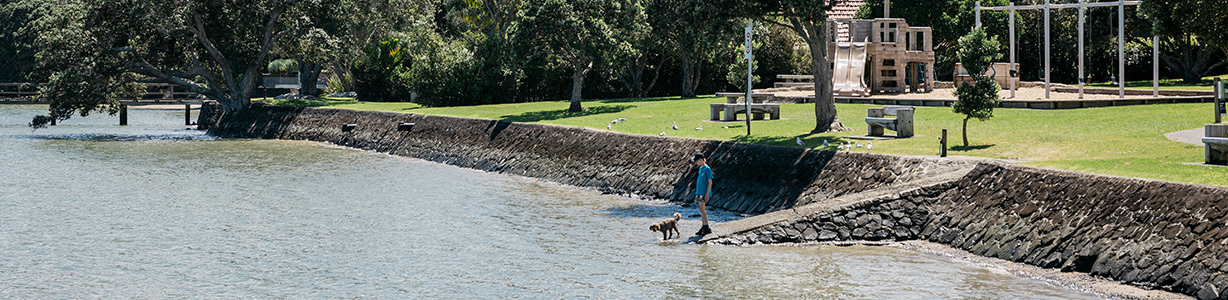
Our Making Space for Water programme is an $820 million, 10‑year flood resilience programme, launched in 2024 in response to the extreme weather events of early 2023. It's part of the Tāmaki Makaurau Recovery Plan and is co‑funded by central government.
Making Space for Water
Our Making Space for Water programme is an $820 million, 10‑year flood resilience programme, launched in 2024 in response to the extreme weather events of early 2023. It's part of the Tāmaki Makaurau Recovery Plan and is co‑funded by central government.
Making Space for Water
Our Making Space for Water programme is an $820 million, 10‑year flood resilience programme, launched in 2024 in response to the extreme weather events of early 2023. It's part of the Tāmaki Makaurau Recovery Plan and is co‑funded by central government.
Our Making Space for Water programme is an $820 million, 10‑year flood resilience programme, launched in 2024 in response to the extreme weather events of early 2023. It's part of the Tāmaki Makaurau Recovery Plan and is co‑funded by central government.
The programme prepares for floods and reduces flood risks by making space for water to move safely through neighbourhoods. It includes core initiatives:
- blue‑green projects (see below)
- significant investment in stormwater infrastructure
- increased stormwater maintenance
- stream and waterway resilience
- community, and site-specific solutions to manage flood risks
- flood intelligence tools (like the Auckland Flood Viewer).
Major infrastructure upgrades are now underway.
You can also check out some big Making Space for Water flood resilience projects here:
Blue-green networks
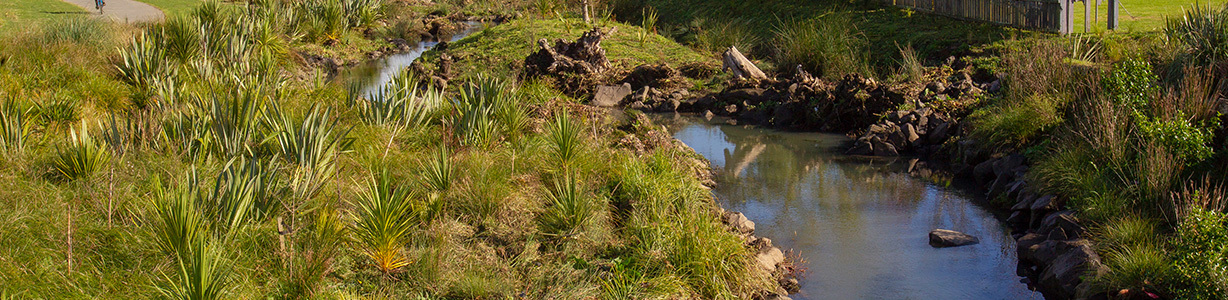
As part of the Making Space for Water programme, we identified 12 potential areas around the region that were either hit hard during the 2023 floods or that could most benefit from blue-green networks.
Blue-green networks
As part of the Making Space for Water programme, we identified 12 potential areas around the region that were either hit hard during the 2023 floods or that could most benefit from blue-green networks.
Blue-green networks
As part of the Making Space for Water programme, we identified 12 potential areas around the region that were either hit hard during the 2023 floods or that could most benefit from blue-green networks.
A blue-green network is a system of waterways (blue) and parks (green) that give stormwater space to flow and help reduce flooding where people live.
Find out more →

Local and regional parks
Local and regional parks in Auckland play a crucial role in building climate resilience. The city's parks network spans over 100,000 hectares of open space, biodiverse habitat, and infrastructure (like playgrounds!) that supports both people and nature.
Local and regional parks
Local and regional parks in Auckland play a crucial role in building climate resilience. The city's parks network spans over 100,000 hectares of open space, biodiverse habitat, and infrastructure (like playgrounds!) that supports both people and nature.
Local and regional parks
Local and regional parks in Auckland play a crucial role in building climate resilience. The city's parks network spans over 100,000 hectares of open space, biodiverse habitat, and infrastructure (like playgrounds!) that supports both people and nature.
Regional parks, including the Hunua and Waitākere Ranges, are important ecosystems that supply clean drinking water and support native biodiversity. These areas anchor natural resource protection and underpin our climate adaptation strategies. Parks serve as “green infrastructure”. Natural features capture and slow stormwater runoff, buffer flooding during extreme rain, and reduce urban heat, helping communities cope with a changing climate.
Climate change is also causing increased wildfire risks. We reduce these risks by removing flammable invasive species and maintaining healthy native vegetation to slow the spread of fire.
Planning tools to reduce natural hazard risks
We’re actively strengthening Auckland’s planning rulebook, the Auckland Unitary Plan (AUP), which sets out what can be built and where across Auckland right now.
Planning tools to reduce natural hazard risks
We’re actively strengthening Auckland’s planning rulebook, the Auckland Unitary Plan (AUP), which sets out what can be built and where across Auckland right now.
Planning tools to reduce natural hazard risks
We’re actively strengthening Auckland’s planning rulebook, the Auckland Unitary Plan (AUP), which sets out what can be built and where across Auckland right now.
Stronger rules are being proposed to limit development in areas most vulnerable to flooding and other hazards. More restrictive consenting rules will apply, making new homes more resilient. And in the highest-risk areas, land zoning is proposed to change to reduce exposure to hazards.
We’re also looking ahead to manage future growth over the next 30 years. We’re removing areas of land previously marked for future urban development, because they’ve been assessed as unsuitable for urban growth. At the same time, we’re reducing the city’s environmental impacts and enhancing our resilience to natural hazards.
NEWS & HIGHLIGHTS

Disability-Led Adaptation
Inclusive Adaptation
9 Feb 2026
From Brazil to Mount Maunganui
"I never thought of myself as 'at risk' because of my physical impairment. That belief changed dramatically in May 2024..."

LANDSLIDES
Policy & Strategy
5 Feb 2026
Understanding landslides: what you should know
Landslides impact homes, infrastructure, roads and services and the effects of climate change can exacerbate these risks over time. The devastating landslides in and near Mauao, Mount Maunganui, are another stark reminder of the risk of landslides to life and property.

OUR AUCKLAND
18 Nov 2025
Changes to natural hazard information on your property LIM
Auckland Council has made natural hazard information more understandable on property Land Information Memorandums (LIMs)...

OUR AUCKLAND
5 Nov 2025
Progressing flood resilience for Rānui, Henderson and Massey communities
Manawa aa Whenua is a key blue-green infrastructure initiative under Making Space for Water...

OUR AUCKLAND
15 Aug 2025
Moving forward to improve flood resilience in Wairau
Planning for a flood storage wetland to reduce the risk of flooding for the wider Wairau area...

OUR AUCKLAND
14 Aug 2025
Uncovering hidden wai: iwi and council unite to understand ancestral waters
Beneath the paved streets and bustling footpaths of central Tāmaki Makaurau lie ancient awa that once flowed freely through the rohe of Ngāti Whātua Ōrākei.

OUR AUCKLAND
18 Jun 2025
Enhancing our understanding of landslides in Tāmaki Makaurau
When they happen, landslides across the Tāmaki Makaurau Auckland region impact homes, infrastructure, roads and services ...