At Home Building & Renovating Hero

BUILDING AND RENOVATING

Building or renovating a home in Auckland today is about more than layout or style – it’s preparing for heavier rainfall, hotter summers and stronger winds in the years to come, and making choices that protect your whānau and the environment.

Whether your project is a small sleep-out or a whole new family home, good design and building choices can make your place healthier and more resilient while reducing energy and water use and carbon emissions.

At Auckland Council, we’re leading by example: planning low-carbon neighborhoods, retrofitting existing public buildings, and planning new housing projects with sustainability and resilience in mind.

By taking simple, smart steps with new builds and renovations, we can all contribute to a more climate-ready Auckland while benefiting from safer, more comfortable living spaces.

Building And Renovation 1
<h3>Design with nature and climate (including climate extremes) in mind</h3> image

Design with nature and climate (including climate extremes) in mind

Future-proof your home by integrating these natural and engineered solutions, allowing you to manage water, heat and structural resilience effectively.

Design with nature and climate (including climate extremes) in mind

Future-proof your home by integrating these natural and engineered solutions, allowing you to manage water, heat and structural resilience effectively.

Allow water to flow naturally

Understand water movement on your property and avoid blocking natural flows. Use permeable surfaces and smart landscaping to manage runoff.

Use water wisely

Install efficient fixtures and consider greywater or rainwater systems to reduce demand, support resilience during disruptions, and lower household consumption.

Raise floor levels

Elevate floor heights in flood-prone areas, choose durable flood-resistant materials, and position electrical outlets higher to reduce potential water damage.

Build in resilience

Reinforce foundations, improve drainage, and ensure roofs, cladding, and fixings meet wind-zone requirements to withstand strong winds and climate pressures.


Keep essential systems safe

Elevate electrical systems, backup batteries, and key equipment in flood-prone areas to prevent damage and maintain essential services during events.

Use passive heating and cooling

Optimise room orientation, window placement, shading, insulation and natural ventilation to maintain comfort, supported by double glazing and well-lined curtains.

Paint your roof white

Or select light-coloured or reflective roofing materials to reduce heat absorption and keep your home cool. It really works.


Plan your landscaping

This is a great time to think about landscaping. Rain gardens, swales and well-placed trees can shade and cool your home, slow and absorb stormwater, and reduce heat stress.


<h3>Use durable, sustainable and recycled materials</h3> image

Use durable, sustainable and recycled materials

To ensure the longevity and low environmental impact of your home, prioritise materials that are adaptable to climate extremes, locally sourced, and designed for minimal waste and easy repair.

Use durable, sustainable and recycled materials

To ensure the longevity and low environmental impact of your home, prioritise materials that are adaptable to climate extremes, locally sourced, and designed for minimal waste and easy repair.

Adapt materials for climate extremes

Use hail-resistant roofing, heat-tolerant cladding and moisture-resistant finishes.

Favour low-carbon, locally sourced materials

Learn how material choices can lower emissions, improve performance, and reduce your home's environmental impact. Support local suppliers to reduce transport emissions.

Reduce your building waste

Design for efficient material use and re-use or recycle leftover construction materials.

Consider removable or easy-to-repair components

Design with flexibility in mind so future repairs are quicker and cheaper.

<h3>Install or upgrade key systems for efficiency and resilience</h3> image

Install or upgrade key systems for efficiency and resilience

To secure a healthy, comfortable, and financially stable home, focus on upgrading key systems like insulation and efficient heat pumps to reduce energy demand, while installing solar and batteries to provide clean, resilient power.

Install or upgrade key systems for efficiency and resilience

To secure a healthy, comfortable, and financially stable home, focus on upgrading key systems like insulation and efficient heat pumps to reduce energy demand, while installing solar and batteries to provide clean, resilient power.

Insulation and ventilation

Improve insulation to reduce energy use and keep your home comfortable year-round. Ensure good airflow to prevent damp and overheating.

Solar panels and batteries

Generate your own clean energy and stay powered during outages.

Heat pumps

Efficient for space and water heating.

Appliances and lighting

Choose energy-efficient models (e.g. LED lights, low-energy appliances) and install draught stoppers to reduce unnecessary energy loss.

See Smart Energy Living for more tips

Embrace nature-based solutions

Native plants in the garden

Landscaping

Plant native trees and shrubs for shade and wind protection, create permeable paving and rain gardens to manage stormwater and restore healthy soil.

See In Your Garden for more →

TOOLS AND RESOURCES

Select subject

Select file type

Advice before you start your consent application preview image

Advice before you start your consent application

Not sure what you need for consent? Get in touch.

Website
Auckland Design Manual preview image

Auckland Design Manual

A free guide with standards, best practice and support to design resilient homes in Auckland.

Website
Auckland Flood Viewer preview image

Auckland Flood Viewer

Explore the flood and sea-level rise map and find resources about how to prepare for floods.

Website
Creating a flood resilient home preview image

Creating a flood resilient home

A guide to help homeowners reduce flood impacts, improve safety and speed up recovery.

PDF
Free Home Energy Advice preview image

Free Home Energy Advice

Certified advisors offer free, impartial advice to Auckland residents and ratepayers.

Website
Getting the most out of the Auckland Flood Viewer preview image

Getting the most out of the Auckland Flood Viewer

Take a quick tour of the Flood Viewer – learn how to check your flood risk.

Video
Homestar Design Guide preview image

Homestar Design Guide

Homestar helps residential designers and builders create healthier, warmer, drier, more efficient homes.

Website
Kia whakamana i ngā hāpori katoa | Building better communities preview image

Kia whakamana i ngā hāpori katoa | Building better communities

Make dwellings and urban spaces more welcoming, useful and safe.

Website
Living Building Challenge preview image

Living Building Challenge

Regenerative, self-sufficient spaces that connect people to nature and community.

Website
Minimising construction and demolition waste preview image

Minimising construction and demolition waste

Guidance on reducing waste in building, renovation and demolition, and designing for material reuse.

Website
Māori Design Hub preview image

Māori Design Hub (Auckland Design Manual)

Insights, resources and examples of Māori design guided by the Te Aranga Principles.

Website

Reduce flooding risks on your property

A full set of Auckland Council resources, including videos, to held reduce your flood risk and prepare your property for future flooding.

Website
Sustainable Home Design Guide preview image

Sustainable Home Design Guide

A practical guide for new builds and renovations, covering orientation, efficiency, futureproofing and more.

PDF
Top tips for energy-efficient homes preview image

Top tips for energy-efficient homes

How to make your house warmer, drier and more energy-efficient.

Website

What is Auckland Council doing?

Homestar 6 Standards

Some council-led housing and urban regeneration projects are now aiming for Homestar ratings of 6 or above to future proof homes for warmth, energy efficiency, water use and sustainable materials.

Our Northcote “Greenslade Crescent” development is being built to a minimum Homestar 6 rating. Likewise, Kotuitui Place in Manukau contains 239 new Homestar-6 homes (a mix of standalone, terraces and small apartment blocks), built as part of the urban regeneration of Barrowcliffe Place.

Retrofitting and Future-Proofing Council Buildings

We are also ensuring that new and existing council buildings are built and retrofitted for lower emissions and greater resilience to the impacts of climate change. We’re improving insulation, heating, lighting and energy systems in existing council buildings, while new projects are designed with sustainable materials and harnessing renewable energy.

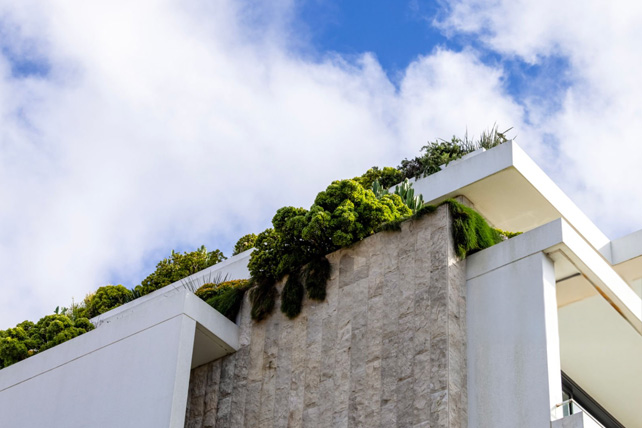
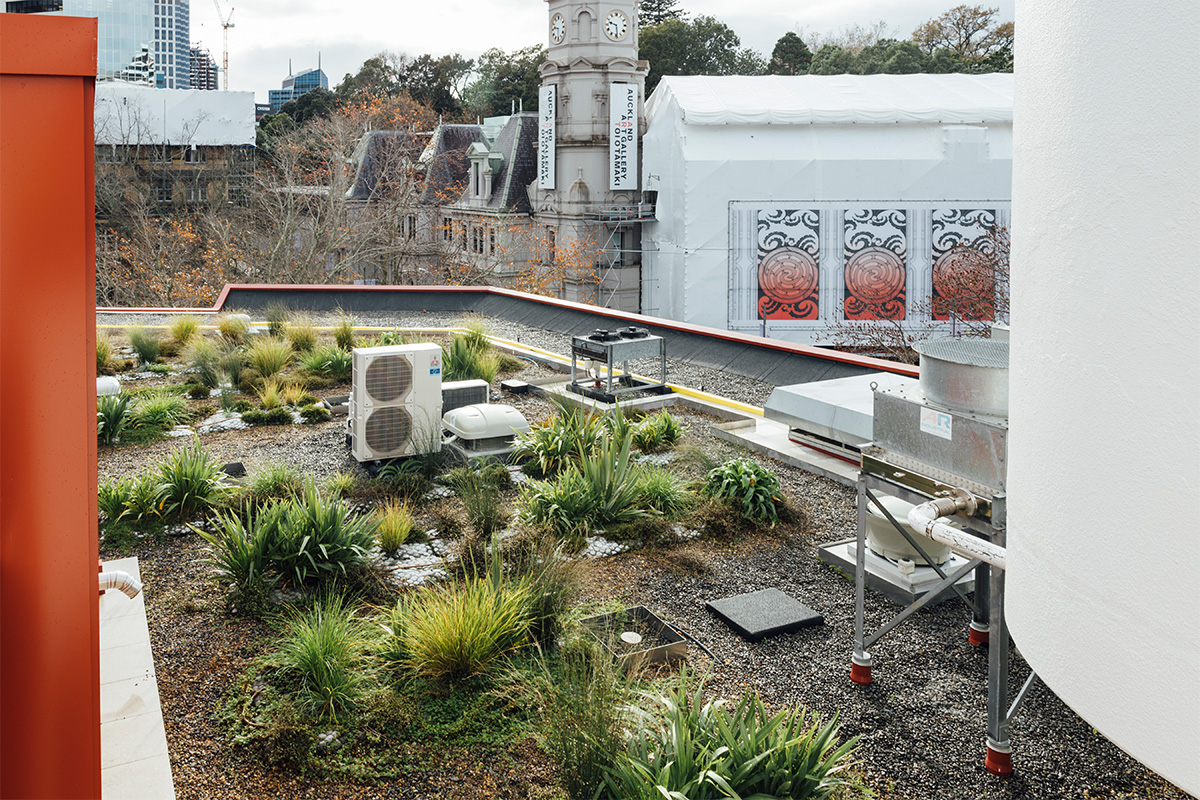
We’re trialing green and “living” roofs to manage stormwater, reduce heat and provide space for solar generation or urban planting. And we’re planning and developing low-carbon precinct layouts.

Green Living Roof Library

JOIN OUR NEWSLETTER

Join our newsletter to receive the latest climate action and community news.

This website requires cookies to provide all of its features.

For more information on what data is contained in the cookies, please click the 'Read More' button. To accept cookies from this site, please click the 'I Agree' button.

Read More